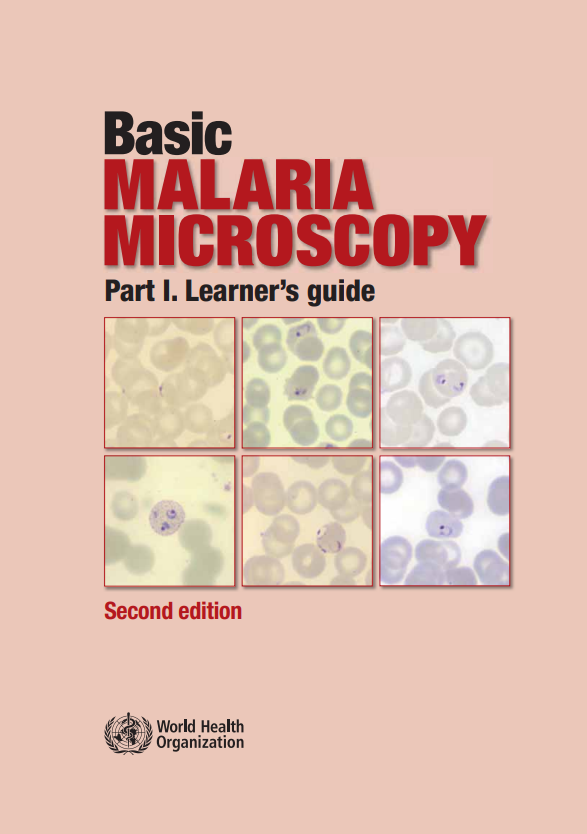

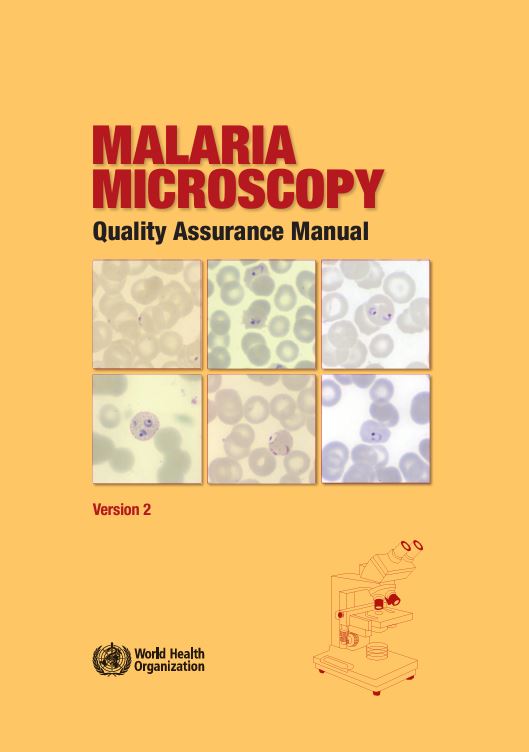
Malaria microscopy – Quality Assurance Manual
Source(s):
Published: 31/12/2015
Malaria microscopy is one of the methods used to identify malaria-causing parasites (P. falciparum, P. vivax, P. malariae and P. ovale), their various life-cycle stages, and the quantification of parasite density to monitor the response to treatment. It is the method of choice for the investigation of malaria treatment failure in clinical settings.
This updated manual is designed to support managers of national malaria programmes and national reference laboratories to set up and maintain a sustainable malaria microscopy quality assurance programme.
The manual includes the following sections:
- Why quality assurance of malaria microscopy should be improved
- Structure and function of a quality assurance system
- Plan of action
- Supplies and equipment
- Self-monitoring of laboratory procedures (internal quality control)
- External assessment of the competence of national core group microscopists
- Establishing a national competence assessment programme
- Training of microscopists
- Outreach training and supportive supervision
- Cross-checking malaria slide results
- Proficiency testing scheme
- Reference malaria slide banks
*This document is also available in French
Format
Online
Cost
Online
Duration
Online
Delivery
Asynchronous
Certification
Online
Language
Online
External reference
Published: 31/12/2015
Format
Online
Cost
Free
Duration
Medium (1 day - 4 weeks)
Delivery mode
Asynchronous
Certification
No
Language
English French
THEMES: Capacity Building | Diagnostics
Related Resources