
Malaria: Harnessing the power of routine health facility data
The WHO Global Malaria Programme (GMP) launched the Global Technical Strategy for Malaria (GTS) 2016-2030 in 2016. The GTS recognizes the urgent need to address weaknesses in surveillance, monitoring, and evaluation. “Transform malaria surveillance into a core intervention” is a key pillar of the strategy. Strengthening surveillance systems, as well enhancing the use of data for decision making are core components of Pillar 3.
Key resources include:
- Malaria Surveillance, Monitoring and Evaluation Manual,
- Malaria Surveillance Assessment Toolkit and
- Standardized District Health Information System 2 (DHIS2) malaria modules.
Alongside these resources, this course will enhance your ability to review and analyse malaria indicators recorded and reported at health facilities and interpret findings for effective decision-making and action-planning in malaria endemic countries.
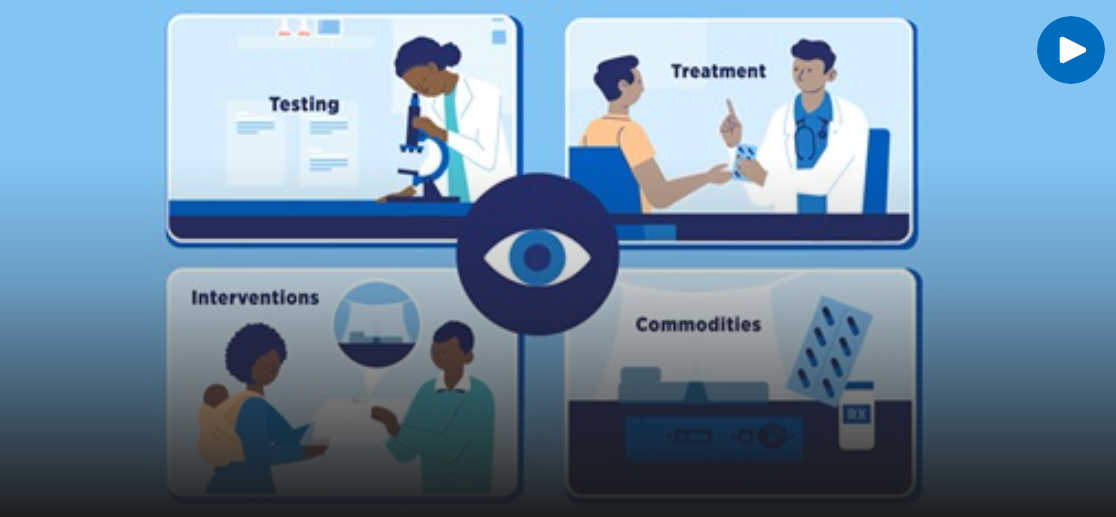
- Interpret malaria surveillance cascades.
- Analyse core malaria indicators.
- Interpret trends in malaria incidence, case management, and preventative interventions.
- Use routine malaria data to inform decision-making.
- Identify data quality issues in routine malaria data and, recommend corrective actions to address malaria data quality issues.
- Familiarity with Ministry of Health malaria program goals and interventions.
- Familiarity with routine disease surveillance systems.
- Basic analytical skills.
*Access to this course requires the user to register or create an account on the course platform.
THEMES: Capacity Building | Epidemiology | Health Systems | Surveillance
Related Resources