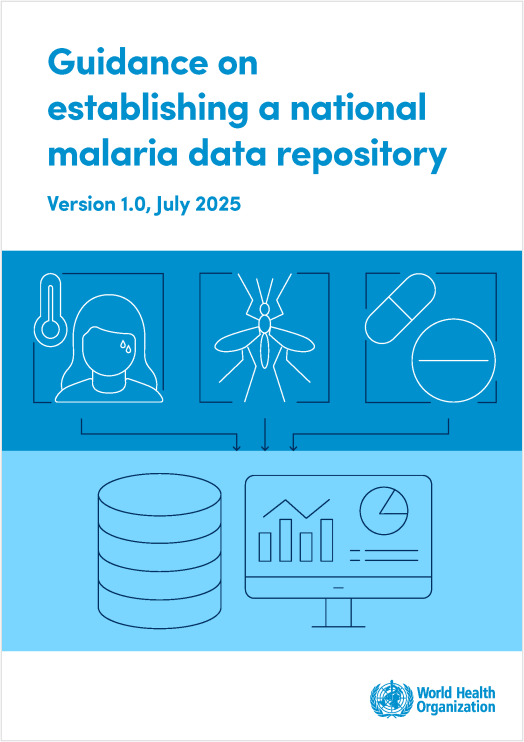

Guidelines for containment facilities for testing of genetically modified mosquitoes
African Union Development Agency – New Partnership for Africa’s Development (AUDA-NEPAD), South Africa; West African Health Organization (WAHO), Burkina Faso
Published: 01/04/2022
Gene drive applications have been demonstrated in the laboratory to effectively suppress malaria vector populations and to alter the mosquitoes such that they are incapable of transmitting malaria parasites. Further tests are being planned to examine its field effectiveness in Africa. The technology could potentially constitute a high-impact, costeffective and sustainable method for control and eradication of disease-transmitting mosquitoes. Since 94% of the world’s malaria burden is currently in Africa, the continent is poised to be a major beneficiary of this technology, should it be proven effective. The spectrum of risks associated with the technology, however, remains less understood. As a result, any field testing or deployment will present unique regulatory, ethical and environmental concerns, which must be addressed to ensure its safe use.
The WA-IVM programme, an initiative of ECOWAS, has therefore developed a set of guidelines to support safe and responsible applications of gene drive mosquitoes. This specific guide focuses on mosquitoes containment procedures and contains recommendations for investigators, institutional biosafety committees, funding agencies, insectary managers and any other persons handling GDMs. The document gives an overview of how the GDMs must be handled in the laboratory and the safety equipment and facilities required for GD mosquitoes containment at different phases of testing both in the laboratory and the fields. The recommendations cover standard and specific practices inside laboratories, as well as management of outdoor containment facilities such as tents and outdoor cages. The principles of risk assessment and management are also covered to emphasise the importance of such assessments during containment.
Published: 01/04/2022
THEMES: Genetics and Genomics | Vector Control
Related Resources