
Definitions
The following provides definition to the terms we used in our system in transcribing project information.
Project title: The project title from the grant or contract, or an alternative that captures the context and approach to the project.
Objectives: The project’s goals or targeted purpose(s) it seeks to achieve.
Principal Institution: Institution or organization listed as the leading entity of the research/development grant or award, and/or the institution that hosts the principal investigator listed as the official recipient of the grant.
Principal Investigators / Focal Persons: The individual listed as the recipient of the research/development grant. The lead researcher or overall responsible focal point of contact who oversees the project’s direction, execution, and management.
Partner Institutions: Institutions and/or other organizations and agencies, and/or the institutions duly recognized as supporting partners that directly contribute to one or more project components.
Partner Investigators: Individual(s) involved as supporting partners, making direct contributions to one or more work components of the project.
Sub Projects: Any subcomponent derived from an original concept or any individual project or terms of work operationally and/or financially supported by an already existing project, whether encompassed within its broader scope or initiated under its umbrella or core grant(s).
Rationale and Abstract: Reasoning for conducting the project in light of the current state of knowledge around the project’s thematic area, followed by a brief summary of the project’s background, general description, additional elements where applicable, such as proposed methods, time-frame, expected outcomes, etc.
Study Design: Investigative methods and strategies employed in conducting the project. This includes the type of study and the methodology, technologies, and/or techniques used to reach the conclusions.
Project Outputs: Specific deliverables that emerge from the project’s activities, such as published journal entries, presentation materials from conferences, reports, posters, etc, that convey findings, conclusions, decisions, etc. produced from the project.
External reference: Links providing additional details on the project’s context/background, such as the project, principal institutions, or funding institution websites, or other public or media coverage of the project.
Themes: Topical area(s) of study of the research project. Refer to the Glossary of Themes for an overview of the categorization.
Start date: The project investment or grant start date. If this is umbrella/core funding, provide the planned start date.
End date: The project investment or grant end date. If this is umbrella/core funding, provide the planned end date.
Total Project Funding: The Total amount granted or allocated for the project.
Funding Details:
- Funding source: Entity providing direct monetary support for the project, or an entity that subcontracts another institution or organization to conduct components or the entirety of the project under an agreement involving financial compensation. In some cases, projects are self-funded or operate without any formal funding.
- Funding Amount ($): (if applicable) The amount awarded by a specific funding institution for the project, expressed in US dollars.
- Funding information: Details of the context of the funding to execute the project, such as the type of award or grant scheme, etc.
- Grant ID
- Original Currency and Amount
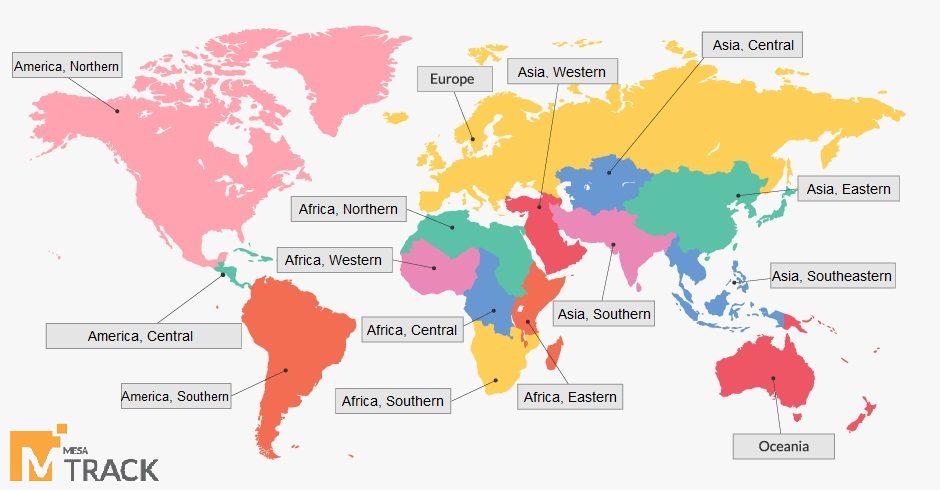
Project Site: The specific country(ies) where the on-the-ground project implementation takes place. For non-site specific projects, list the location of the institution or organization(s) that hosts the grant.
Related Resources: Reference documents, training materials, online tools, protocols, videos, and other useful resources that stem from the project and can be made more broadly accessible via the MESA Resource Hub. These include knowledge products such as conference presentations and other multimedia pieces, policy papers/briefs, Standard Operating Procedures (SOPs), and other material contributing to the knowledge body of malaria research.
Related Projects: Other project(s) closely related to a given project entry. These may include projects of a similar nature, focusing on the same research topic or subject area. Additionally, related projects may encompass earlier phases of a given project of a separate grant, contract agreement, or other parallel activities within a project unit or across an institution under a larger strategy. Unlike Subprojects, which are covered within the same project agreement, related projects are likely to have their own individually defined terms.