
Correspondents

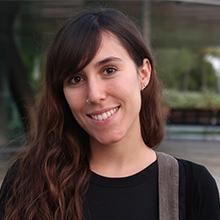
Oyinkansola Suliat Fadiji PhD started off in microbiology and currently works at the Federal University of Agriculture Abeokuta, Ogun State in Nigeria. As a parasitologist, she has worked on mosquito surveillance and insecticide resistance testing where her responsibilities included facilitating community entry which relies extensively on communication skills.
Working with MESA will help hone my skills in the simplification of science thereby promoting interest and understanding beyond the scientific community.
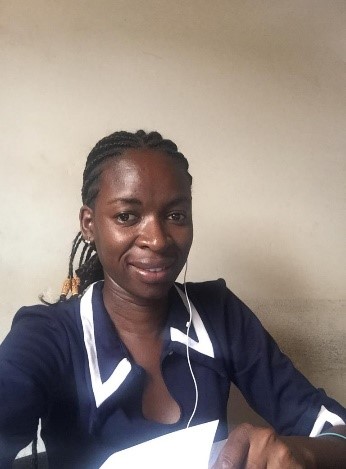
Patricia Doumbe Belisse is a trainee serving as a research assistant at OCEAC, a research Institute of the Central African Region based in Yaoundé, Cameroon. She will defend her PhD dissertation at University of Yaoundé I in the next couple of months and she is very much looking forward to furthering her career as a medical entomologist. She is also looking for opportunities to build her capacity in mosquito and parasite genomics and malaria drug resistance.
Being a MESA correspondent at Keystone Symposia was a great opportunity to learn about the latest research on malaria drug resistance and discovery reason why now I am happy to collaborate again.
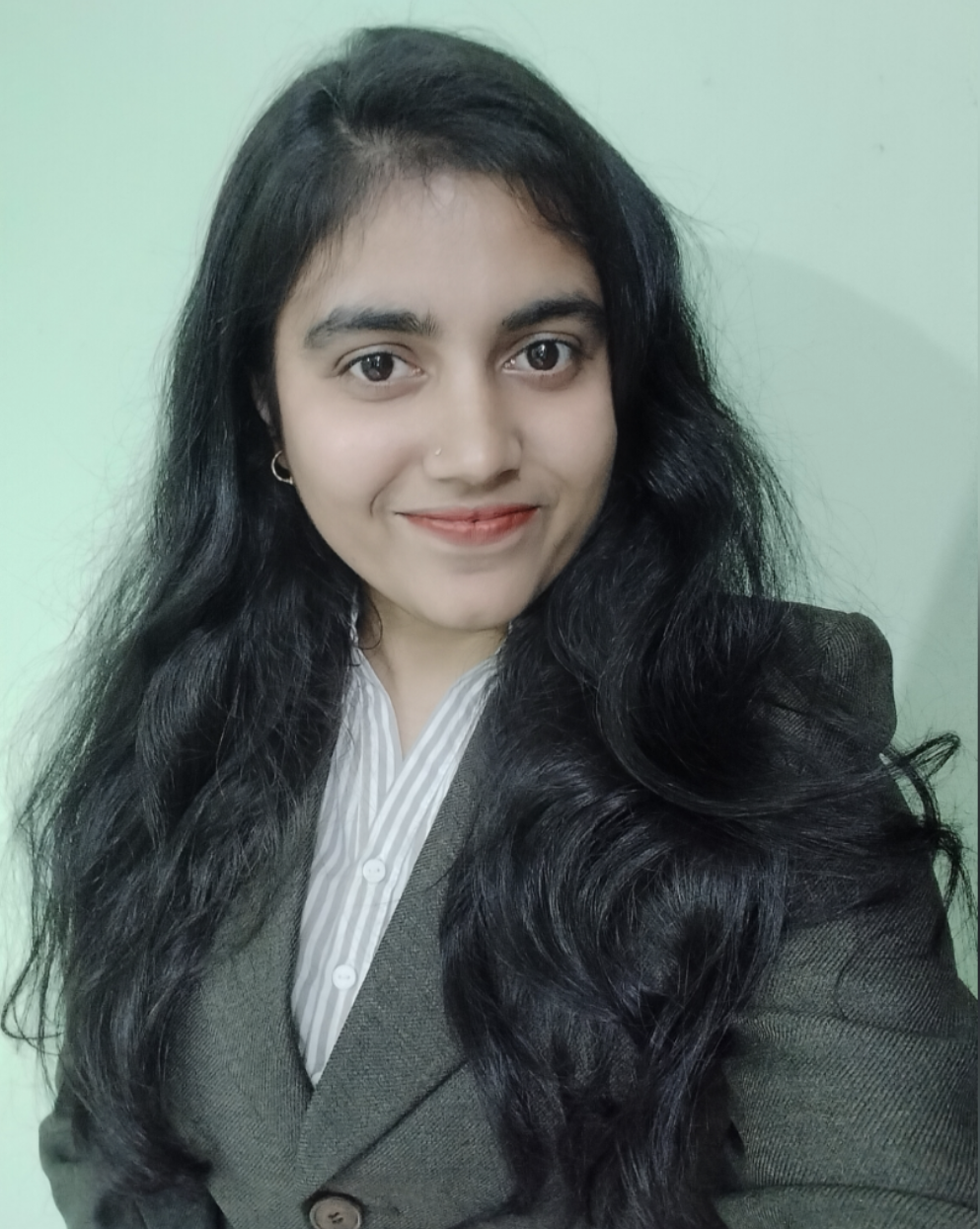
Priya Kumari is a PhD student at the National Institute of Malaria Research in New Delhi, India. Her research work/interest focuses on developing accessible, cost-effective solutions to enhance early detection and treatment, ensuring improved healthcare outcomes specializing in point-of-care testing (POCT) suitable for low- and middle-income countries.
I’m honored to be a MESA correspondent, where I’ll have a great opportunity to enhance my knowledge of the latest scientific advancements. This will refine my writing, communication, and networking skills. I am deeply grateful to the MESA team for providing me with this incredible role.
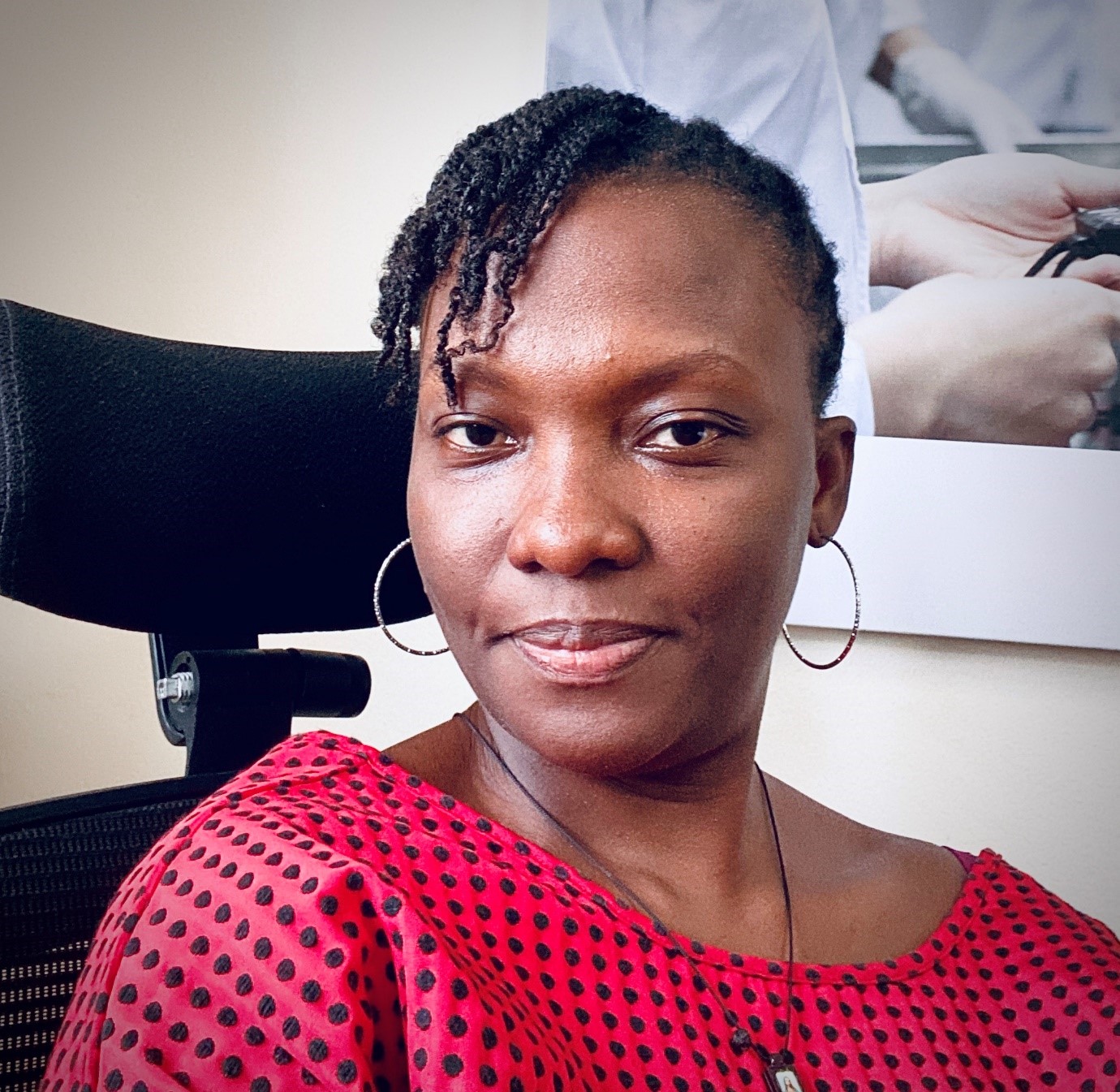
Rebecca Pwalia, Chief Research Assistant with the Vector Biology group of the Parasitology department, Noguchi Memorial Institute for Medical Research, Ghana. Her research interests include malaria vector control research and development of vector control tools, genomic vector surveillance, and insecticide resistance monitoring and management.
It was a wonderful learning experience to be a MESA Correspondent in 2020 for the 69th ASTMH meeting. I look forward to this opportunity once again at the 2nd WIM 2025 Conference.
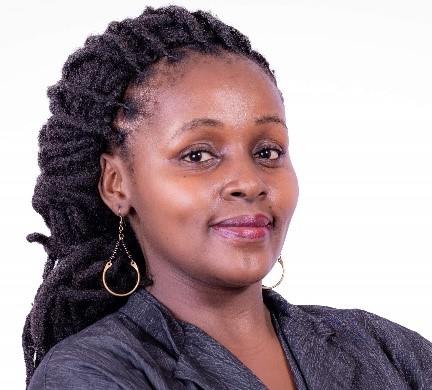
Rinter Karimi Kimathi is currently pursuing her PhD on the association between malaria infection and autoimmunity at the University of Glasgow. She has a strong interest in the immunology of both infectious and non-infectious diseases. Her current research is interdisciplinary, focusing on the intersection between malaria and autoimmune diseases.
Being a MESA correspondent will be an excellent opportunity to advance my science communication and reporting skills while also attending the prestigious BioMalPar conference.
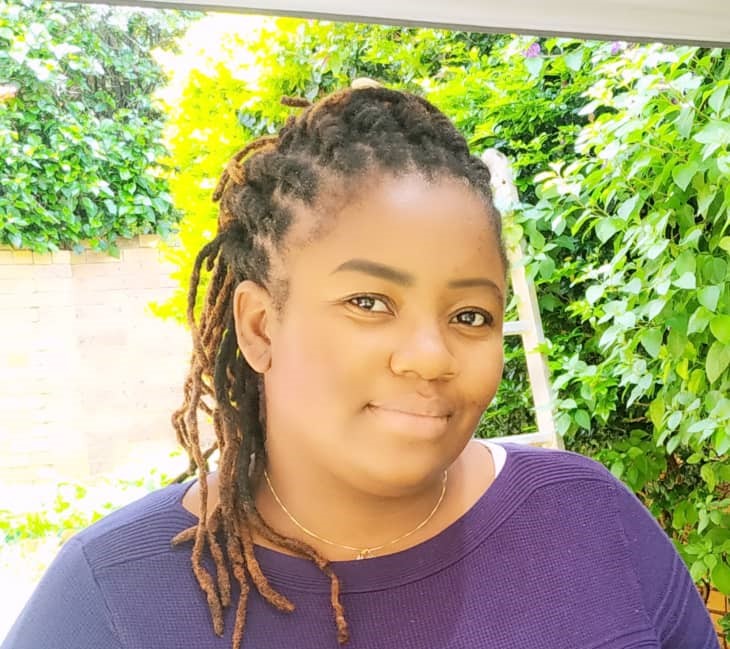
Rosheen Mthawanji currently works at Malawi Liverpool Wellcome Trust clinical research programme (Malawi) as an entomologist where she is currently winding up her Wellcome Trust funded project that assesses the effects of piperonyl butoxide (PBO) on malaria vectors.
She believes that being a MESA correspondent for the first Women in Malaria conference does not only bring her closer to cutting edge research in her field but also allows her to make synopses of talks by well renown women in Technology, Engineering and Mathematics (STEM) that inspire her like Faith Osier and Hilary Ranson.
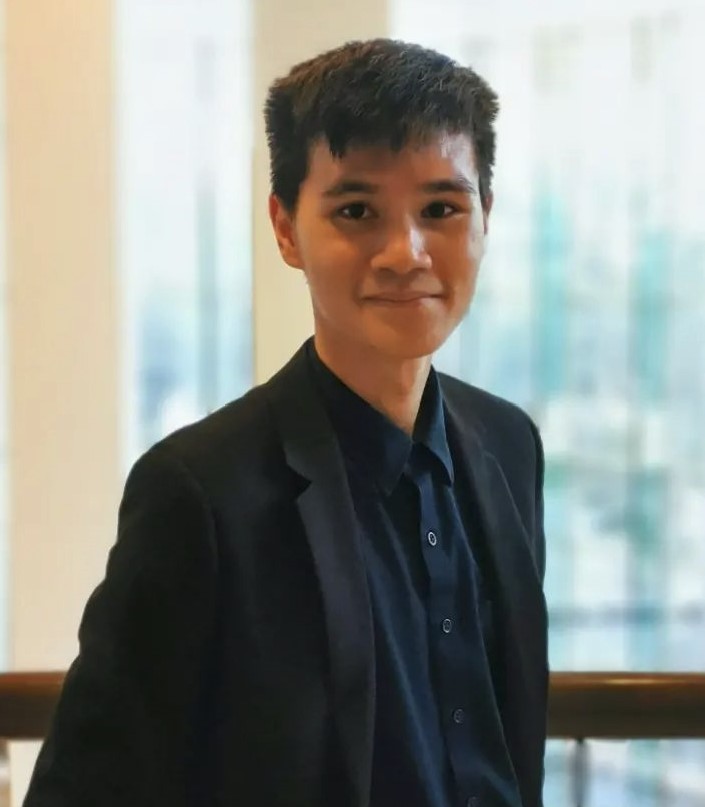
Sam Jian Hung completed his PhD studies at Curtin University Malaysia in 2024. His research was focusing on antimalarial drug discovery and delivery in indigenous natural products. Additionally, during his time at the Malaria Research Centre, UNIMAS, from 2021 to 2023, he honed his skills in vector studies, epidemiology, parasite culture and drug discovery, focusing on antimalarial alternatives from natural products.
Being a MESA Correspondent allows me to contribute and collaborate with malaria experts. I aim to further improve myself and hope to translate my skills into the field of malaria research, making progress towards the understanding and eradication of malaria.