

Correspondents

Nathalie Amvongo-Adjia is a Cameroonian who read Animal Biology and Physiology in the University of Yaoundé 1, and specialized in Parasitology during her postgraduate studies. Her current research focuses on the bionomics and molecular basis of insecticide resistance genes in malaria vectors from wetlands across the volcanic chain of Cameroon. Professionally, Ms Amvongo is a research officer at the Institute of Medical Research and Medicinal Plant Studies (IMPM), and a post-doctoral research assistant at the Centre for Research in Infectious Diseases (CRID-Cameroon). Ms Amvongo has over 10 years working experience in vector-borne disease epidemiology and control.
It was an honor to be invited to report for MESA during PAMCA 2019, BioMalPar 2020, ASTMH 2020 conferences and PAMCA 2022.
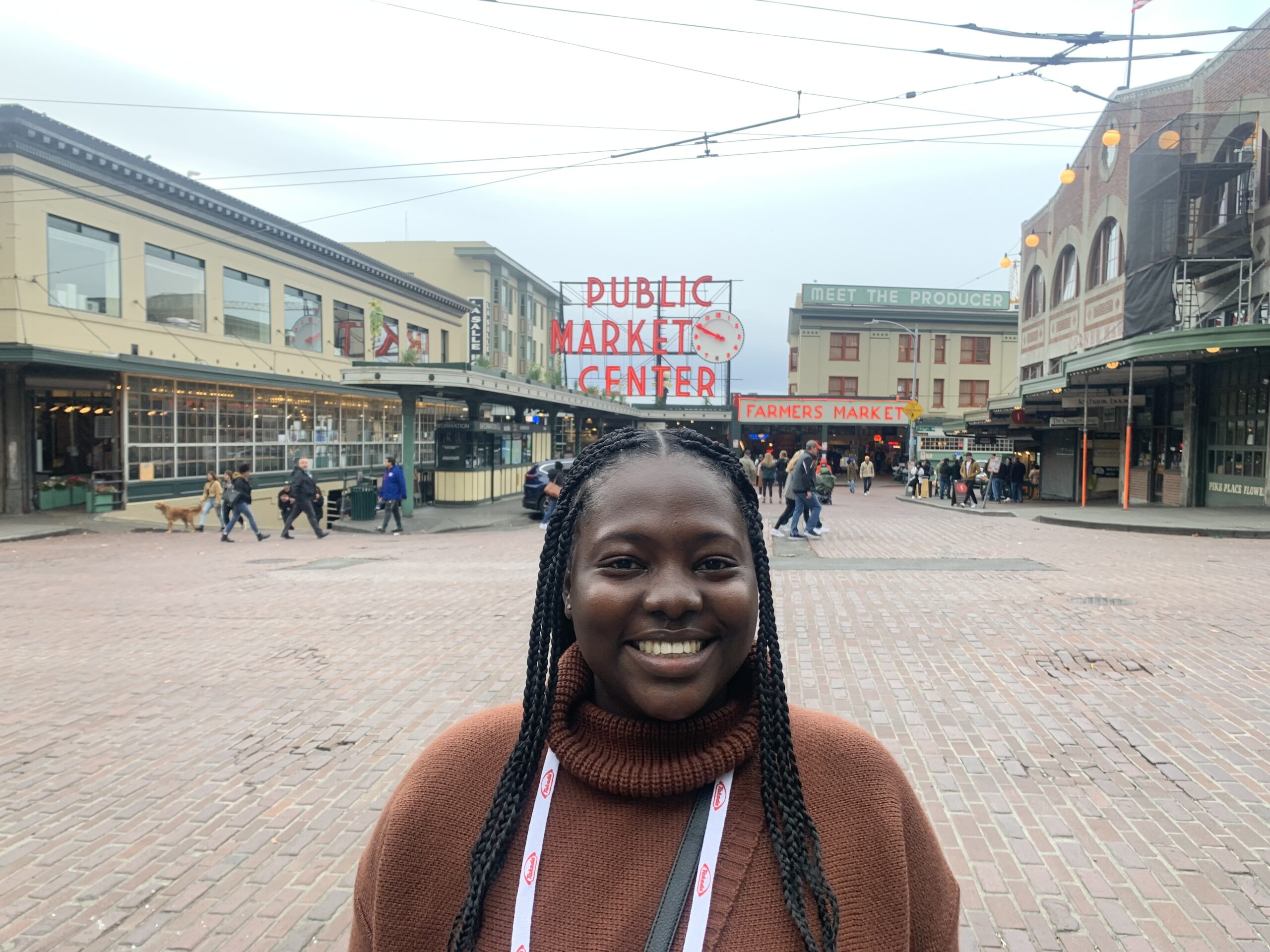
Ndey Bassin Jobe is a PhD candidate at the Center for Evolution and Medicine at Arizona State University. She is a medical entomologist, and the core of her research involves designing, building, and testing novel biotechnologies for the surveillance and control of mosquitoes.
Attending PAMCA as a MESA correspondent is an excellent opportunity for me to learn about the latest advances in malaria research and be able to prepare reports of scientific sessions for those who could not attend the conference.
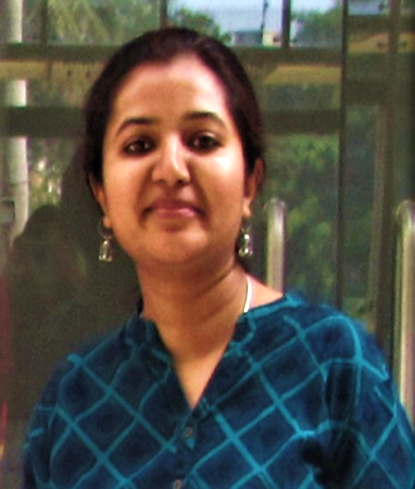
Dr. Neha Sylvia Walter is a project Scientist-D at the Department of Medical Parasitology, PGIMER, Chandigarh, India, currently working on clinical samples of neurocysticercosis. Her primary research focuses on the screening of novel molecules and drug candidates (natural products, synthetic compounds, drug-repurposing) against Plasmodium, especially asexual blood stages to explore new therapeutic interventions to contain the disease. In addition, she is also interested in understanding the immune mechanisms underlying disease pathogenesis.
Working as a MESA Correspondent at ICPVR2022 would provide me with an excellent chance to learn about new discoveries in parasitology and will also enhance my professional network and interactions with experts.

Dr. Nkemngo Francis is a junior group leader at the Centre for Infection Biology and Tropical Health (CIBITH), University of Buea and a research scientist at the Centre for Research in Infectious Diseases (CRID), Cameroon. His research focuses on interrogating the population biology, evolutionary genomics and characterizing the functional relevance of novel candidate markers/alleles of antimalarial drug, diagnostic and malaria vaccine resistance in Central Africa across time, geography, control interventions and changing climate in order to strengthen molecular surveillance, inform actionable decision-making and support local malaria elimination.
I am motivated to be part of MESA to widen my knowledge scope and communicate malaria research to a wider audience while engaging in career development and networking opportunities as a budding researcher.
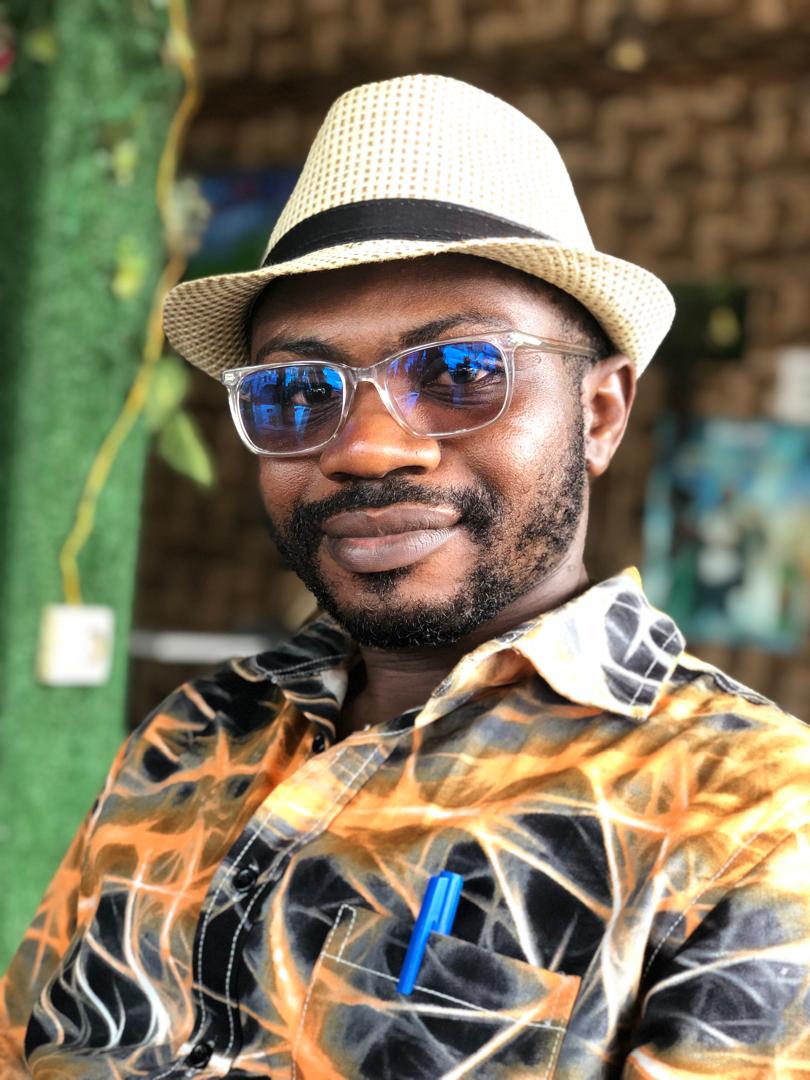
Ntui Vincent Ntui-Njock is a Postdoctoral fellow with the DELGEME Plus antimicrobial Resistance program at MRC Unit The Gambia at LSHTM. He is a holder of a PhD in Biochemistry and Molecular Biology, M.Sc in Molecular Biology and Biotechnology and BSc Biochemistry. He is an enthusiastic young African Scientist looking forward to a long-lasting career in the field of Malaria Epidemiology, parasite population biology, and drug resistance. He is currently working on developing Novel Multi-Allelic Molecular Barcodes for Plasmodium falciparum Population Dynamics studies.
I am eagerly looking forward to working as a MESA correspondent to assist in the sharing of updates on the recent developments in malaria research to those who are unable to attend.

Núria Balanza is currently conducting a PhD at ISGlobal (Spain) on diagnosis and prognosis of febrile illness in rural Africa. Her experience in malaria research includes antibody responses to α-Gal, prognostic biomarkers and evaluation of ultrasensitive RDTs in Mozambique, as well as LLIN use in Papua New Guinea.
I think this is a fantastic opportunity to learn from global health professionals while providing synopses to those who are not able to attend the meeting.
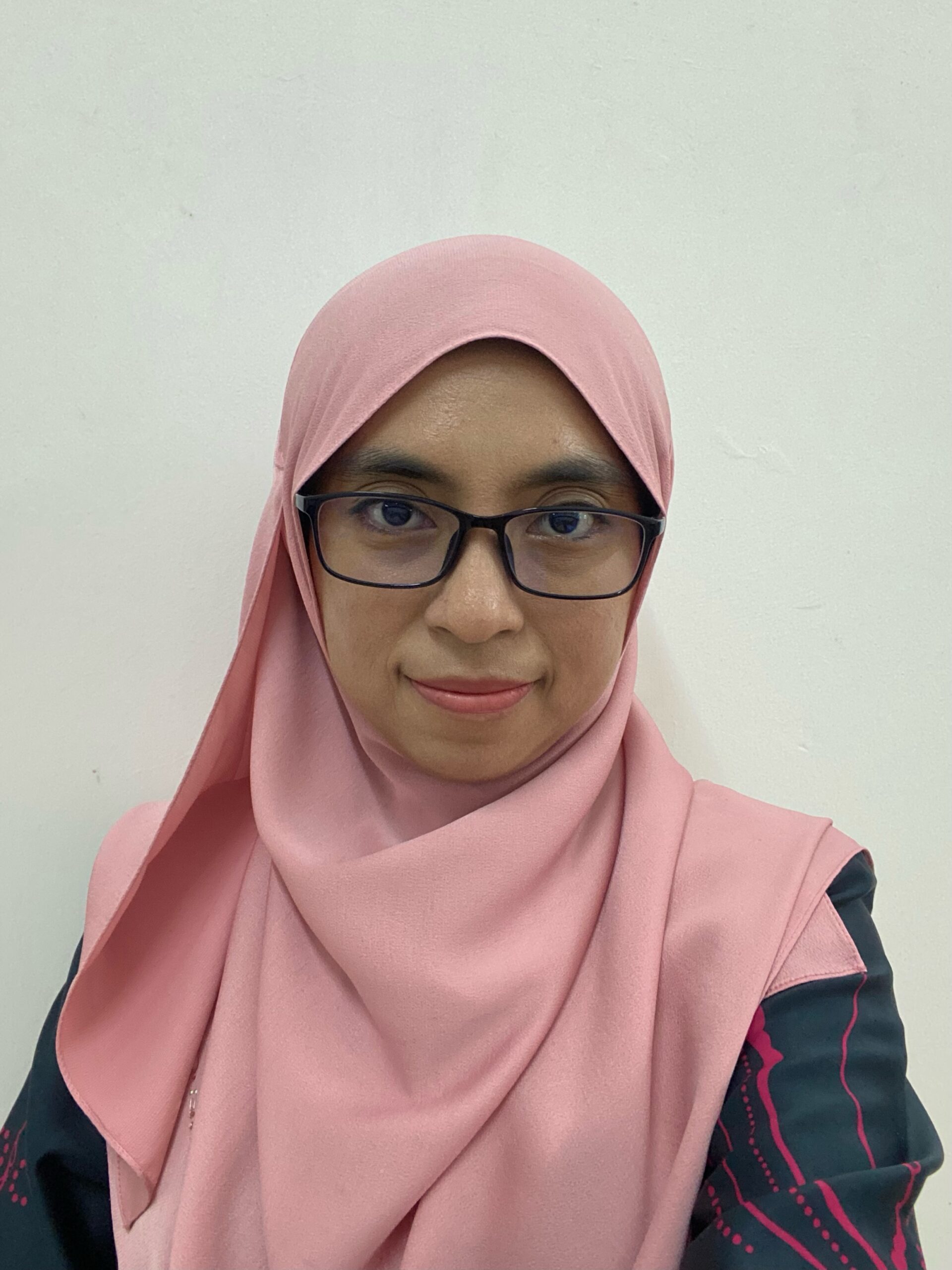
Nurul Izza Zakaria works as a Science Officer (Microbiology) at the Department of Pathology, Hospital Tengku Ampuan Afzan in Kuantan, Pahang, Malaysia. Her postgraduate journey focused on the pathophysiology of malaria, including the mechanisms underlying the disease’s progression and the factors that contribute to its persistence in various regions.
Being part of the MESA Correspondents Program is a tremendous privilege, one that I approach with great enthusiasm and gratitude. This program provides an invaluable opportunity to explore the latest advancements in malaria research and develop my writing skills.
 Nutpakal Ketprasit is a final-year PhD candidate in the Tilley Laboratory, Department of Biochemistry and Pharmacology, Bio21 Institute, The University of Melbourne, Australia. He is deeply passionate about malaria research, especially the biology of the parasites and antimalarial development. His PhD focuses on validating Plasmodium aminoacyl-tRNA synthetases as novel antimalaria targets using various techniques in cellular biology, molecular biology, biochemistry, biophysics, and structural biology.I’m thrilled to rejoin the MESA Correspondents team to cover the Molecular Approach to Malaria Conference 2024. This enables me to leverage my knowledge and experience to share current advancements in malaria research with our community.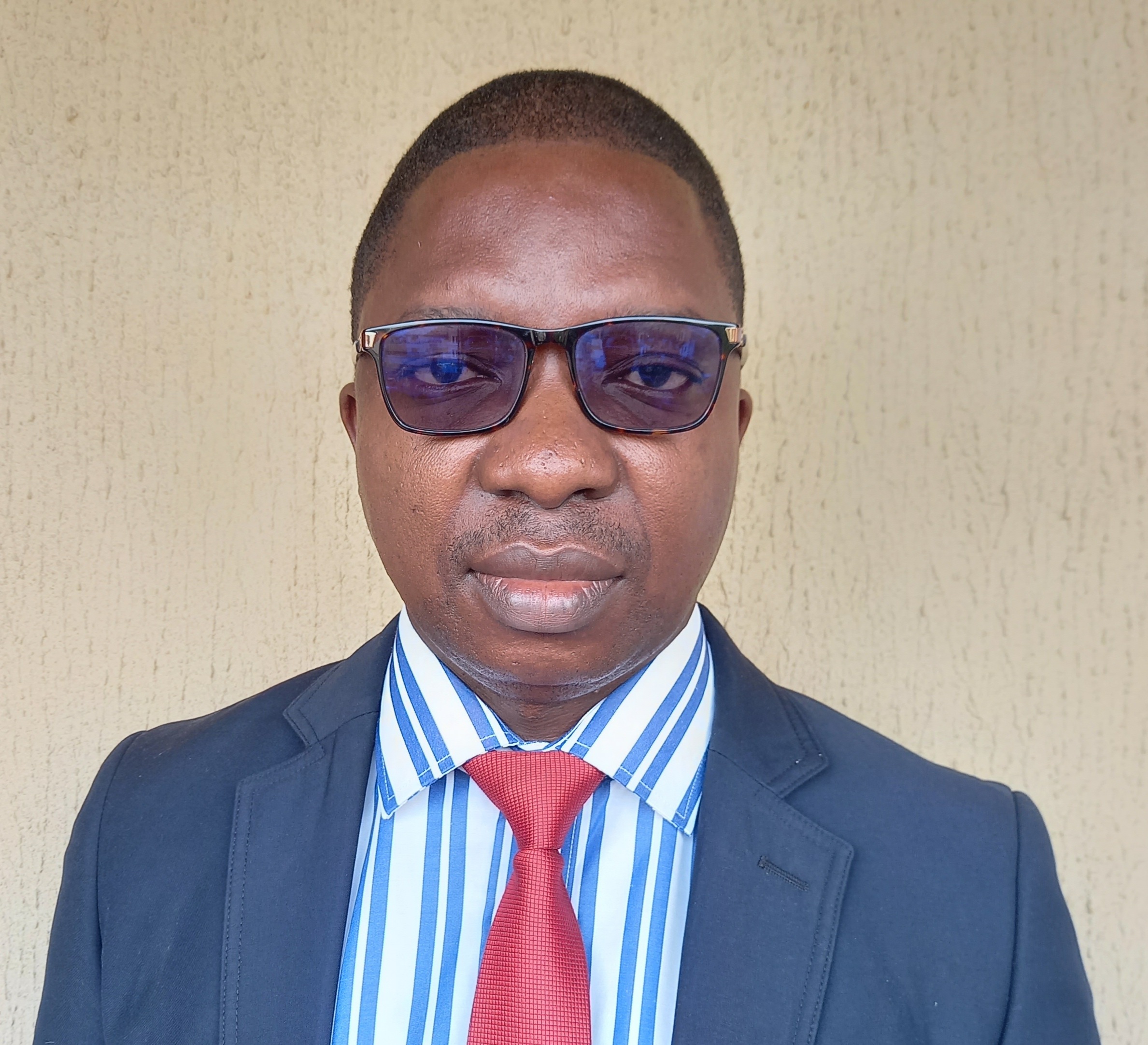
Olajoju Temidayo Soniran (PhD) is a Parasitologist and Lecturer at Akanu Ibiam Federal Polytechnic, Unwana, Nigeria. His PhD thesis on drug resistant Plasmodium falciparum was supported with funds raised on MalariaWorld platform in 2014, and recently he completed a WHO/TDR postdoctoral training fellowship on malaria implementation research.
Attending the ASTMH as a MESA correspondent is a great opportunity to show appreciation to malaria professionals that could not attend the ASTMH meeting (by contributing to accurate MESA reports), sharpen my transferable career development skills, and learn from the conference talks and presentations.

Otubea Owusu Akrofi is a Medical Entomologist with the National Malaria Control Programme, Ghana. She leads the vector control unit that implements vector control interventions such as the distribution of long-lasting insecticidal net (LLINs), indoor residual spraying (IRS), larviciding and entomological surveillance across the country. Her interest is in vector control, vector behaviour and insecticide resistance.
It was a privilege for me to work as a MESA correspondent at PAMCA. This unearthed a knack in me that I almost forgot I had.