

Correspondents
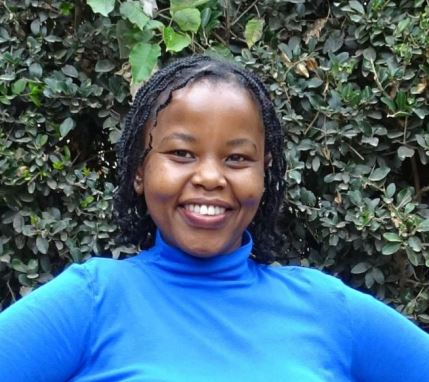
Lucy W. Mwangi is a Research Scientist with a focus on Infectious Diseases and Global Health. She is a PhD candidate in Microbiology-Immunology at the University of Nairobi, Kenya. Her research interests are immune-regulation and molecular mechanisms of infection; and infectious disease prevention. Her motivation as a researcher is to generate new scientific data and to effectively translate it for feasible application to health.
I believe participating as a MESA correspondent at the ASTMH conference will be an invaluable learning opportunity and a great experience.
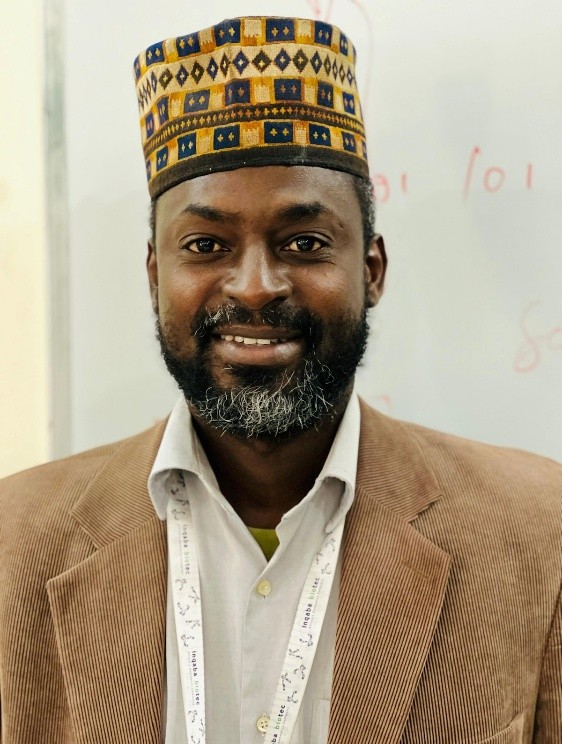
Mamadou Samb Yade is the Bioinformatics Unit Manager for the Pathogen Culture Unit at the International Research Training Center on Genomics and Health Surveillance (CIGASS), Cheikh Anta Diop University, Dakar, Senegal.
Being a MESA Correspondent will greatly enhance my visibility, linguistic abilities, and networking skills. It will also help me develop my report writing and learn from experts about the latest malaria innovations. It’s an honor to assist other people.
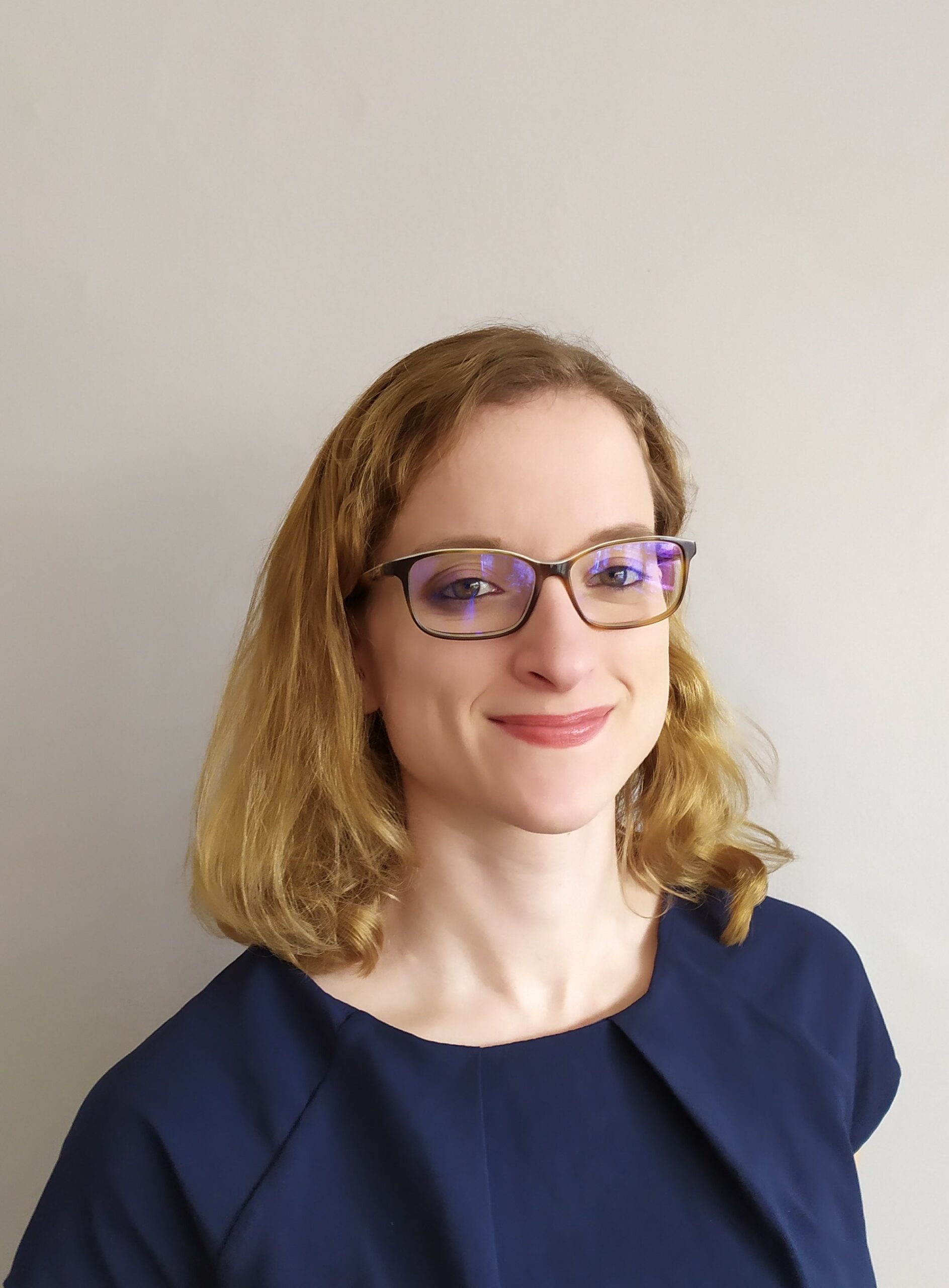
Manuela Runge (Northwestern University, USA) is a malaria epidemiologist with a research focus on simulating malaria and control interventions to inform strategic planning at the country level.
The ASTMH provides an impressive amount of malaria talks every year and I look forward to contributing to the MESA reports from this important conference. The MESA correspondence program had been a valuable experience for me two times. Both times I could connect with fellow correspondents and the MESA team and learned about the latest malaria research during the conference talks.

Masudi Suleiman is a research scientist at Ifakara Health Institute (IHI), Tanzania, with an MSc in Public Health Research. He develops and applies improved methos to evaluate vector control products. He also explores the impact of climate change on mosquito vectors and their associated diseases.
Being a MESA correspondent brings a wonderful opportunity to make a meaningful contribution to malaria research and its eradication efforts.

Mauro Pazmino Betancourth is a PhD student at University of Glasgow with a research focus on quantum cascade lasers and their application in spectroscopy for mosquito surveillance.
PAMCA annual conference is one of the most important events related to vector-borne diseases and it is a great opportunity to communicate research to a wider audience. I believe it is my duty to serve the community by strengthening my public engagement skills, and I look forward to doing so as a MESA correspondent volunteer.
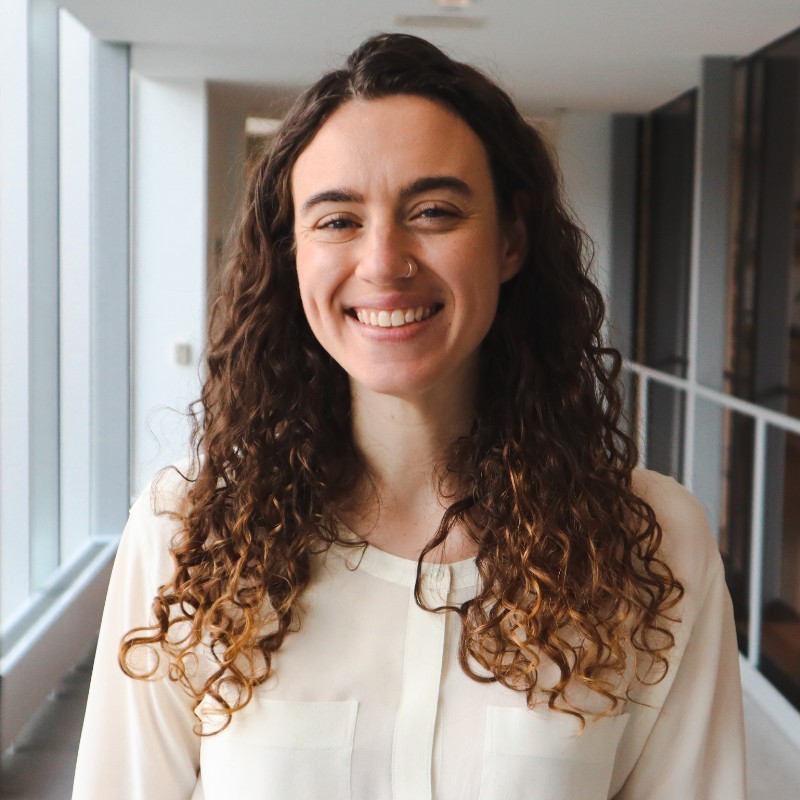
Maya Fraser is a Research Associate with the MACEPA project at PATH, focusing primarily on impact evaluation. She has an MPH from the University of Washington.
I am interested in learning more about how we can create optimal intervention mixes and improve coverage of existing interventions. I am excited to work as a MESA correspondent to share new research with our colleagues across the world!

Melina Florez-Cuadros works at the Naval Medical Research Unit Nº6 through the Vysnova, Inc. in Peru. She holds a PhD in Entomology and is also a DVM. Currently, she is part of the Immunology team developing prophylactic treatments and vaccines against multiple human pathogens such as malaria.
The opportunity to volunteer as MESA Correspondent would help me to learn even more about malaria, because in addition to attending the talks, writing about them will drive me to really understand the topic.
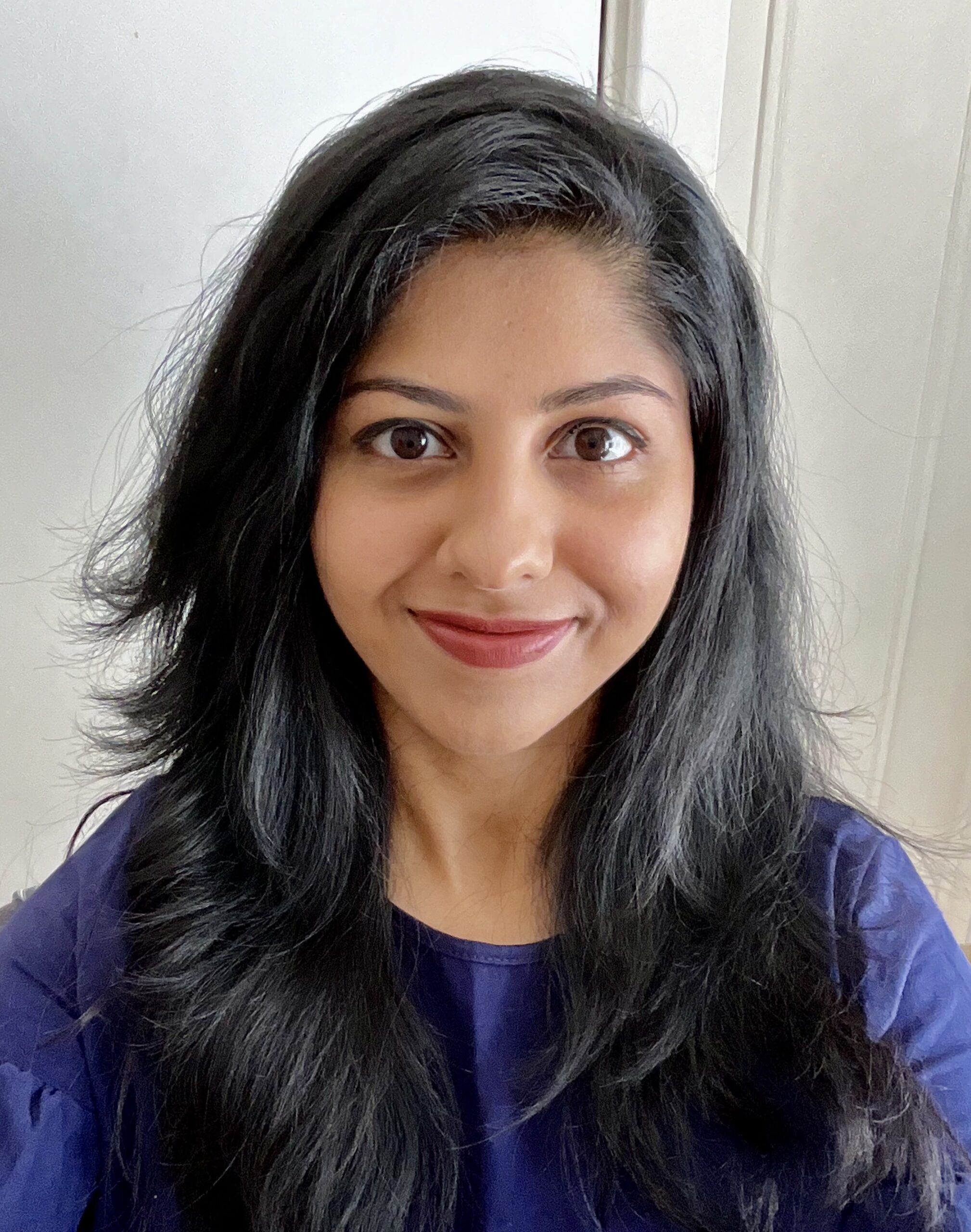 Mohini Anjna Shibu is a PhD student in the Department of Biochemistry and Pharmacology at The University of Melbourne. Her project was on the blood-stage infection of Plasmodium falciparum. She studied proteins associated with parasite-derived structures to understand the formation of the virulence complex.Being a MESA Correspondent is a good opportunity to improve my scientific writing skills and I am eager to report on the talks from MAM 2024 in a clear and concise manner.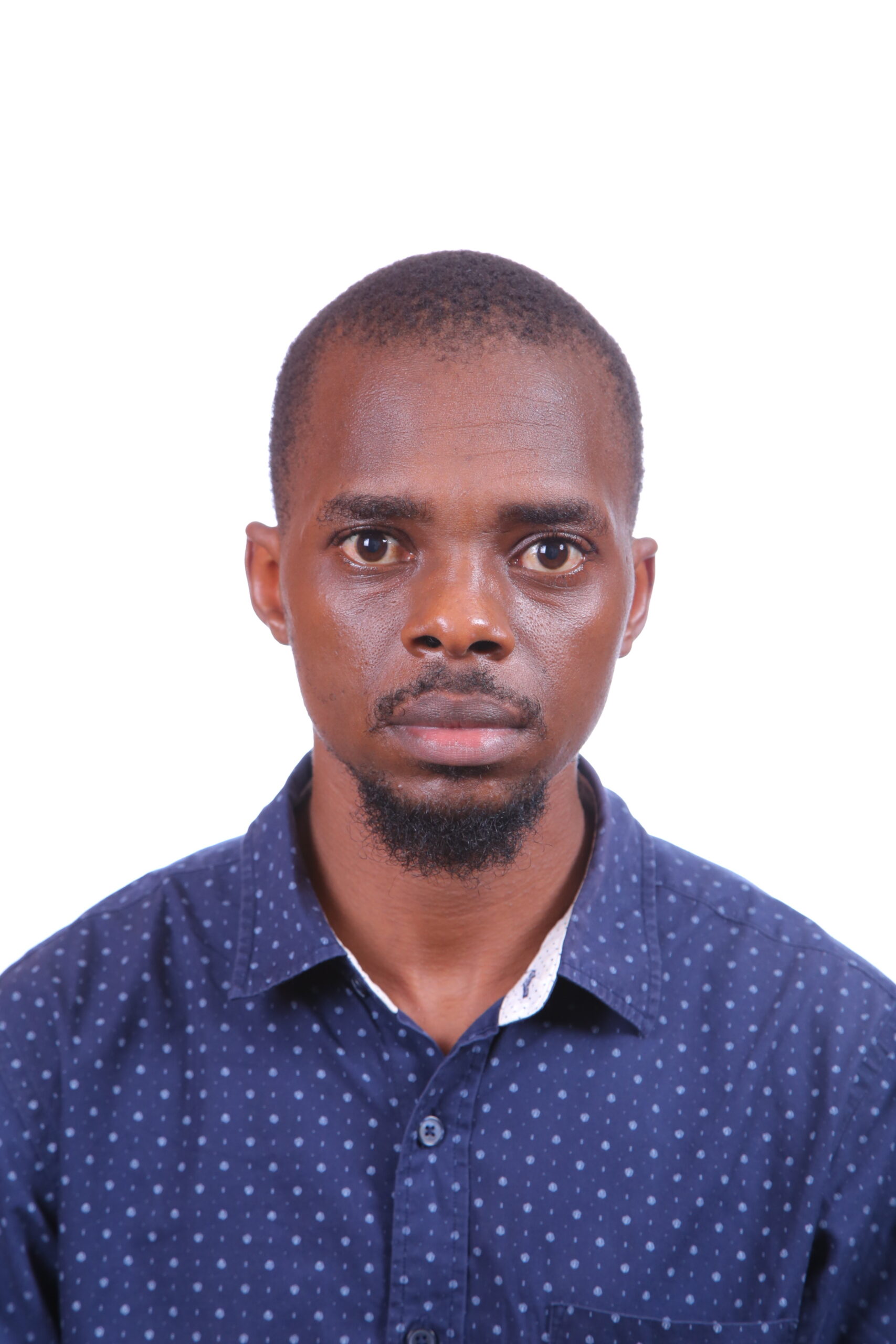
Muhammad Hafizu Sulaiman is a Research Assistant at the Depatrment of Parasitology, Faculty of Medicine, Universiti Malaya, Malaysia, engaging in entomological surveillance focusing on Aedes mosquitoes. His strengths are data analysis, mosquito collection, and nucleic acid extraction among others.
The opportunity to be a MESA correspondent at the ICTMM conference 2024, will greatly improve my understanding of recent techniques and advancements in malaria control as well as improve my writing and communication skills. These will strengthen my ability to effectively contribute to the fight against malaria in my home country and beyond.
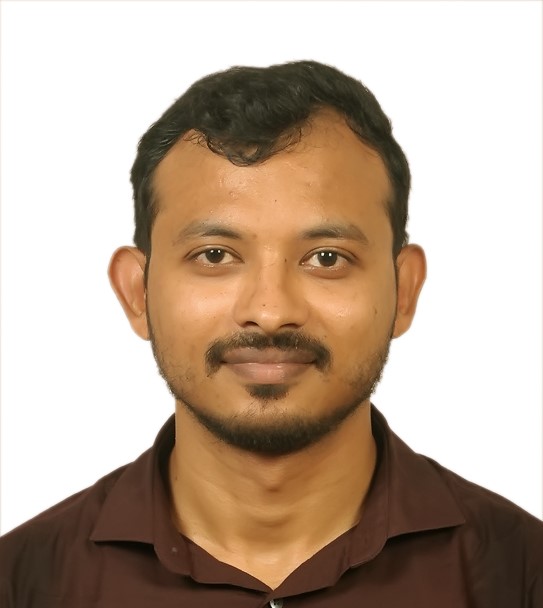
Nallapati Vishnu Teja is a PhD student in the Department of Infectious Diseases at Kasturba Medical College, Manipal, MAHE, Manipal, Karnataka, India. His research focuses on understanding the malaria transmission dynamics, assessing the diagnostic performance of point-of-care diagnostic tools in early detection, and the molecular surveillance of antimalarial drug resistance.
Serving as a MESA Correspondent will allow me to experience a range of scientific, professional, and personal development. I am excited to report on the talks from ICPvR 2025.