

Correspondents
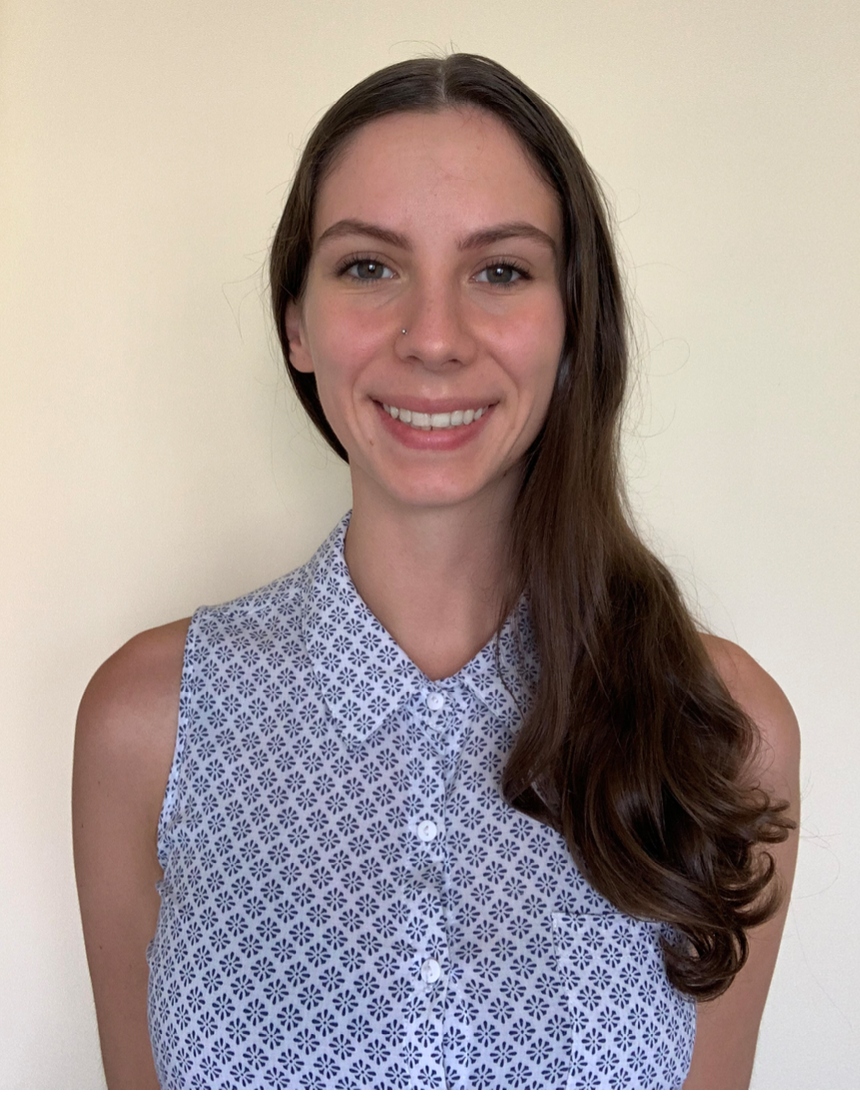
Katelyn Stanhope works as a Research Assistant in the Infectious Diseases Systems Epidemiology Group at the Burnet Institute in Melbourne, Australia. Katelyn utilises genomic assays and bioinformatics analysis to reveal and define Plasmodium parasite relationships and transmission dynamics.
I am very gracious for the opportunity to attend the Molecular Approaches to Malaria 2024 conference as a MESA Correspondent. I am looking forward to improving my writing skills as well as connecting and collaborating with other malaria researchers from across the globe.
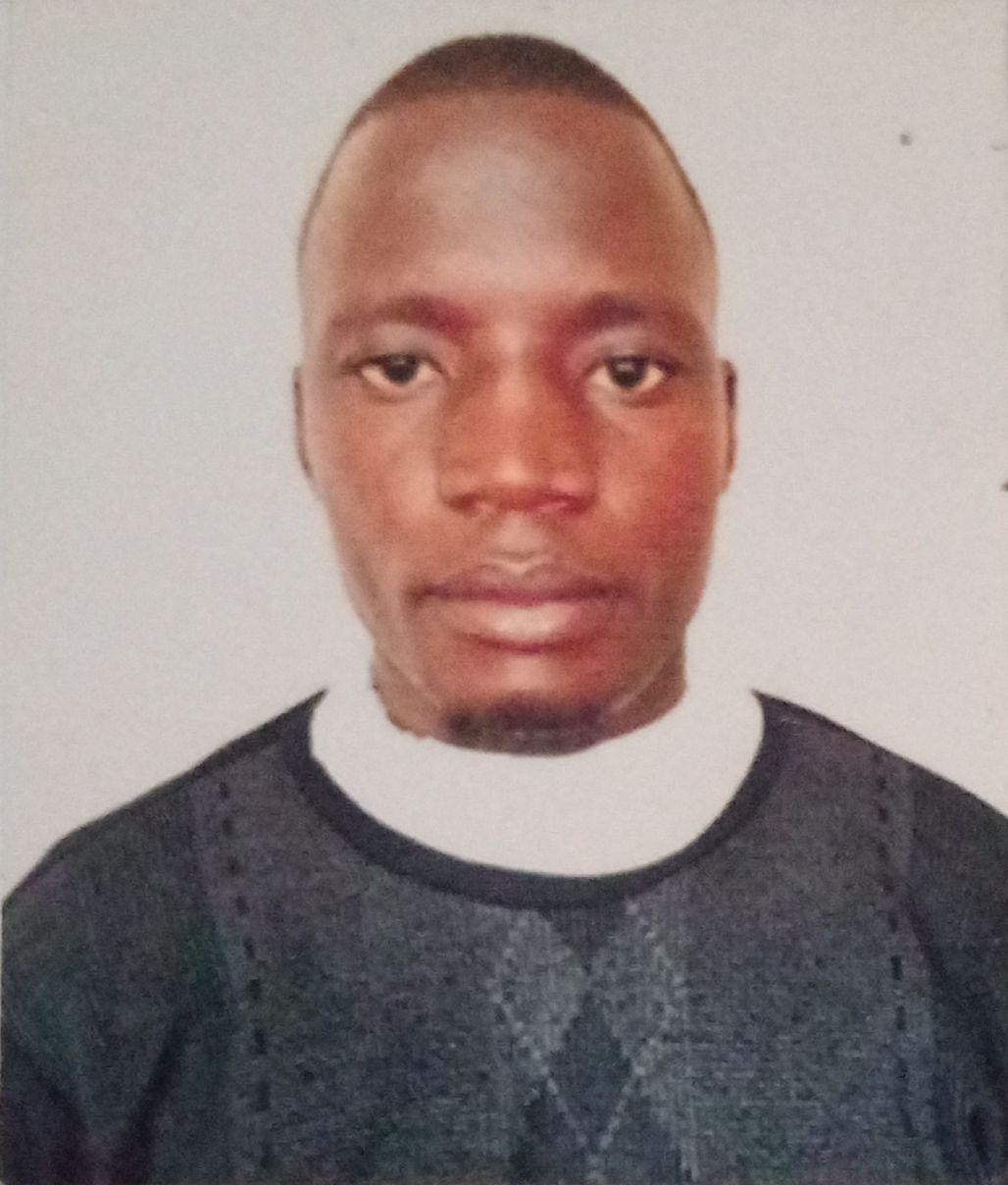
Rowartz Kevin Ogola is a public health professional with a background in community health, malaria programming, and epidemiology. He is currently pursuing a Master’s in Public Health (MPH) with a focus on Epidemiology at Maseno University. Rowartz has extensive experience in malaria prevention, social behavior change, and strengthening community health systems.
Through the MESA Correspondents Program, I look forward to documenting and sharing key insights that shape the fight against malaria, ensuring that evidence-based solutions reach communities most in need since I am passionate about bridging research and implementation to drive impactful malaria interventions.
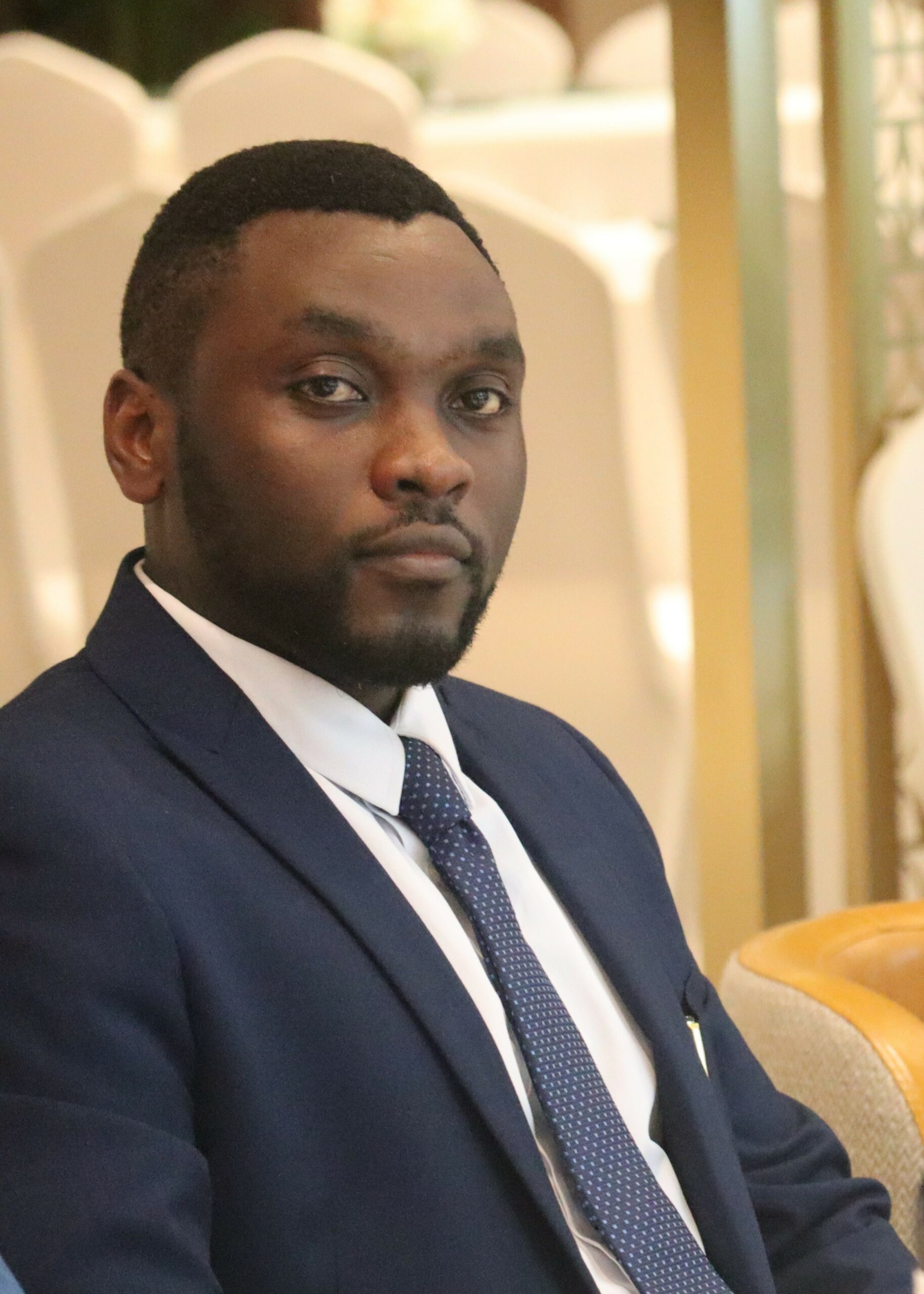
Lambert Nzungize PhD, founder of Synbio Rwanda and Researcher at Centre for Research in Infectious Diseases (CRID), Cameroon, working on a project that aims to identify molecular markers for metabolic resistance to insecticides in malaria vectors funded by Bill and Melinda Gates Foundation. His research interests are RNA biology in infectious diseases using NGS data to tackle resistance genes, markers and therapeutic candidate genes.
Being a MESA Correspondent will be a fantastic opportunity to gain knowledge and research trends in malaria.
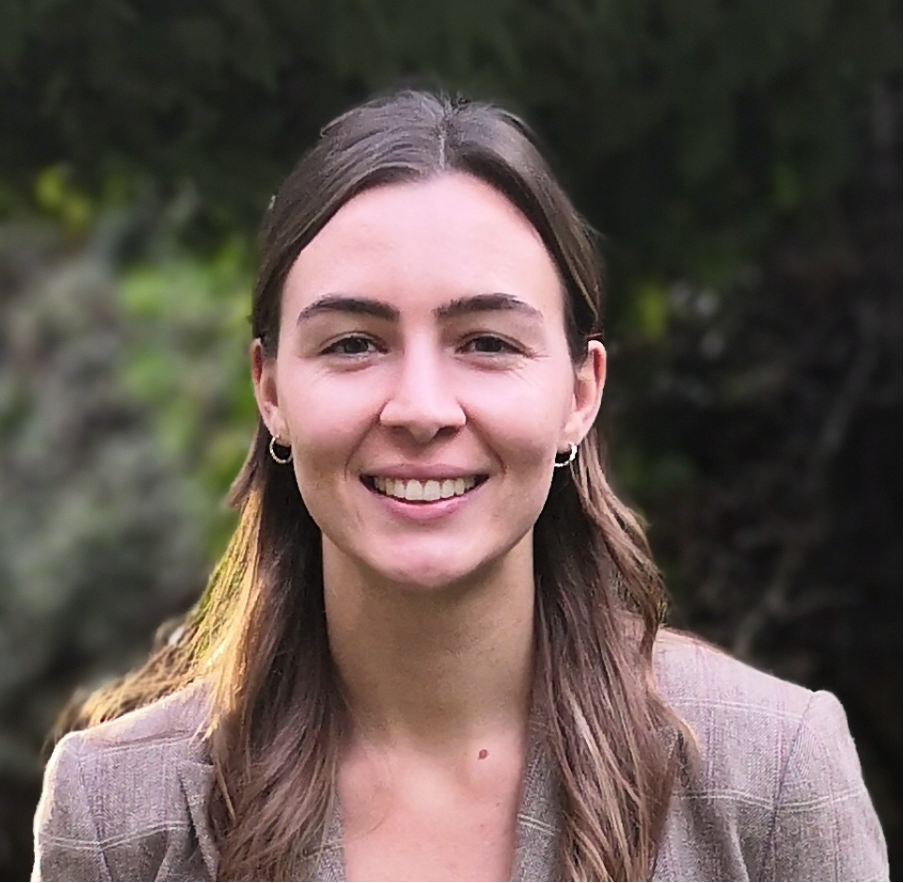
Leen Vanheer trained as a medical doctor and is a PhD candidate at the London School of Hygiene and Tropical Medicine in the UK. Her research focuses on malaria genomics, including molecular markers of drug resistance, as well as on the transmission-blocking abilities of antimalarials
Attending the Genomic Epidemiology of Malaria Conference and being a MESA correspondent are great opportunities that will allow me to stay updated on the latest advancements in malaria research. I am looking forward to connecting with fellow malaria researchers and helping disseminate the exciting research presented at this conference.
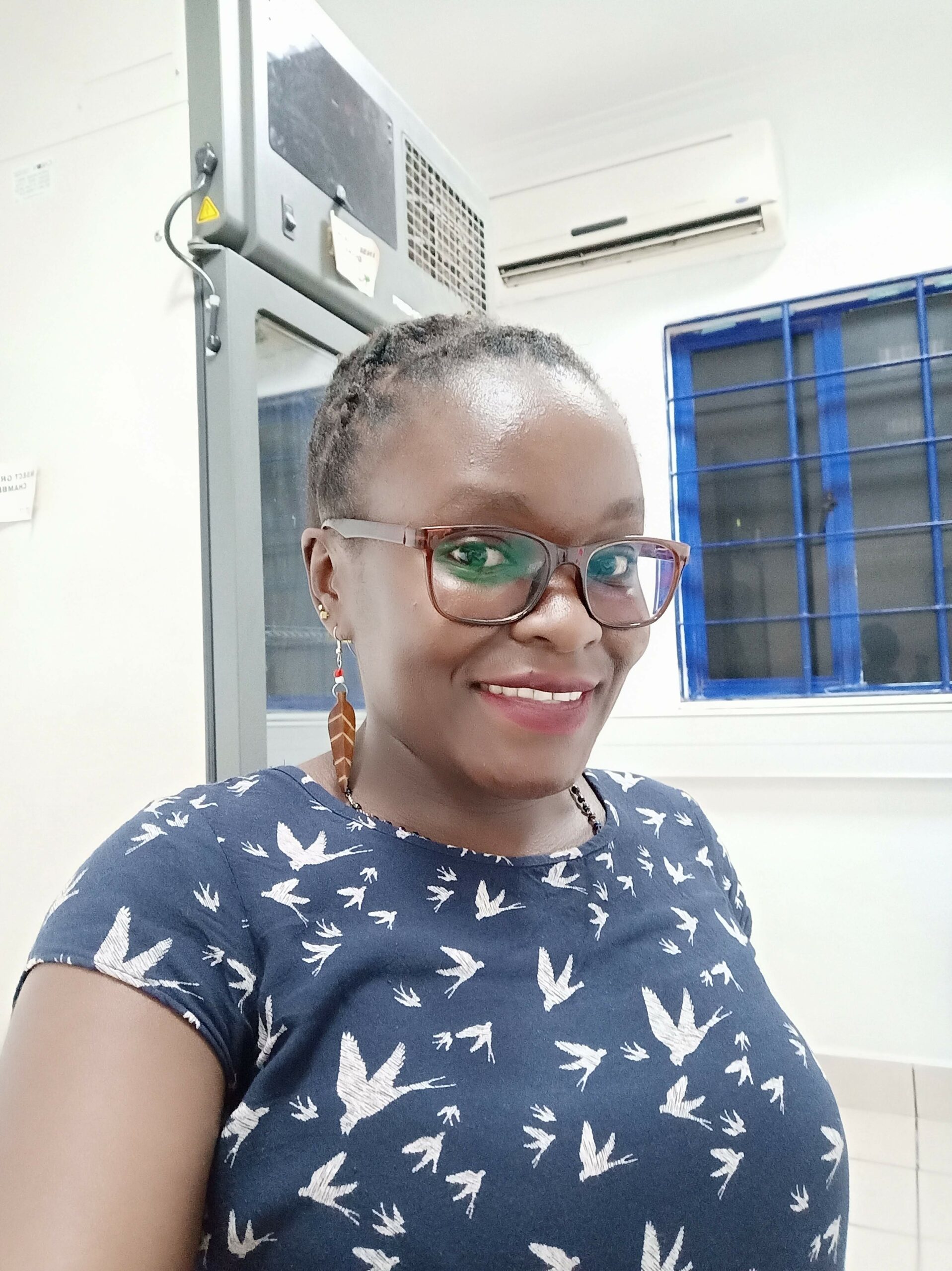
Lilian Mbaisi is a young Kenyan scientist passionate about tackling tropical diseases. She holds a BSc and MSc from the University of Nairobi. In 2016, she joined the International Centre of Insect Physiology and Ecology (icipe) and has been part of the innovative malaria team which recently isolated a groundbreaking malaria-blocking microbe in mosquitoes. She is currently continuing this research, under the supervision of Prof. Ozlem T. Bishop at Rhodes University and Dr. Jeremy Herren at icipe as a PhD fellow at Rhodes University (South Africa).
To be a MESA Correspondent will be indubitably an invaluable experience.

Lucas Low is an entomologist at the Tropical Infectious Diseases Research and Education Centre, Universiti Malaya, Malaysia. His current research interests include insect vectors of medical-veterinary importance such as mosquitoes, flies, ticks, fleas, lice, and mites; and their associated infectious disease agents.
As a MESA correspondent, I had the opportunity to delve deeper into the topic of Plasmodium knowlesi and its mosquito vectors. This experience allowed me to gain a more comprehensive understanding of the complexities surrounding this particular malaria parasite and its transmission dynamics.