

Correspondents
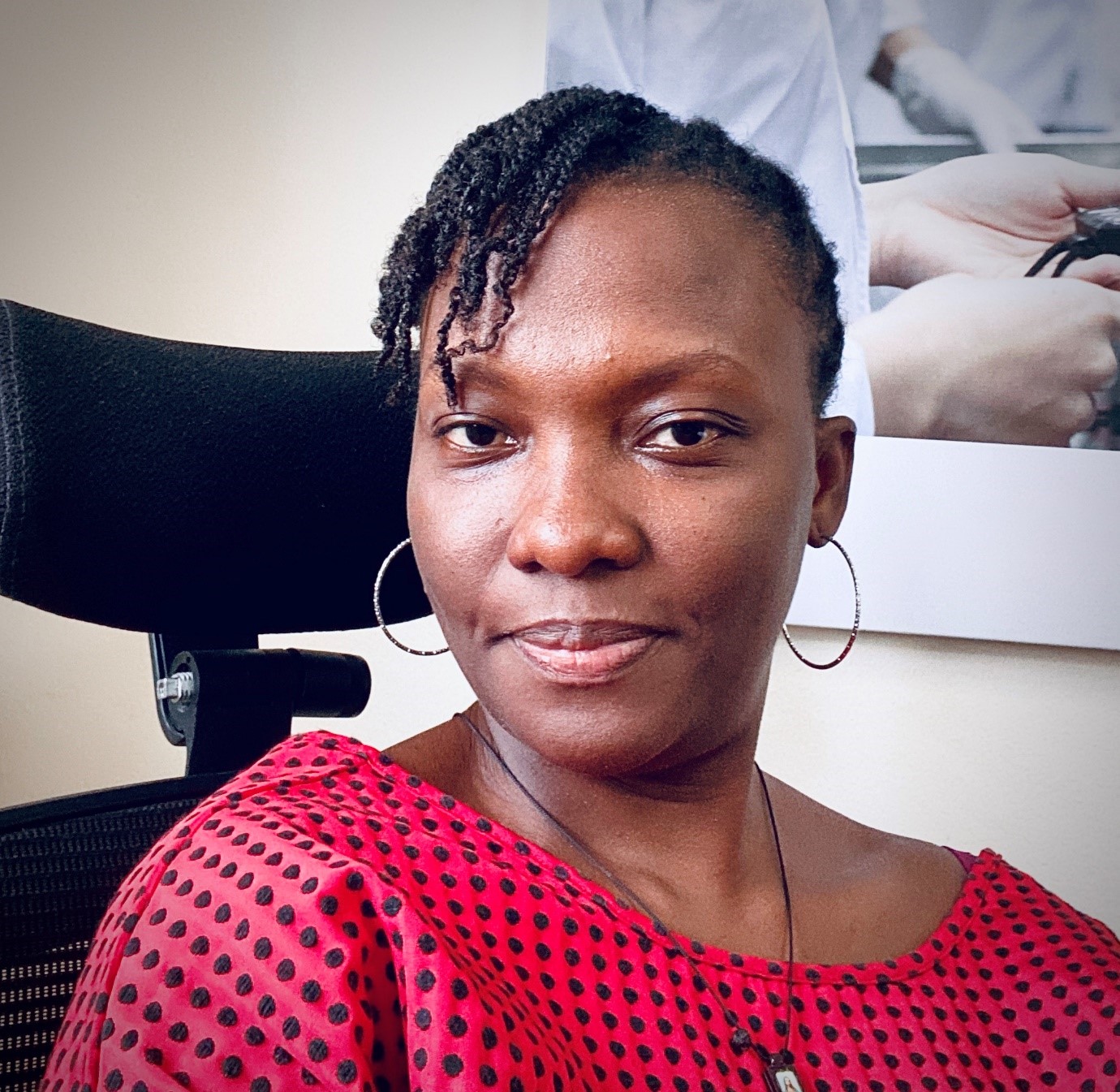
Rebecca Pwalia, Chief Research Assistant with the Vector Biology group of the Parasitology department, Noguchi Memorial Institute for Medical Research, Ghana. Her research interests include malaria vector control research and development of vector control tools, genomic vector surveillance, and insecticide resistance monitoring and management.
It was a wonderful learning experience to be a MESA Correspondent in 2020 for the 69th ASTMH meeting. I look forward to this opportunity once again at the 2nd WIM 2025 Conference.
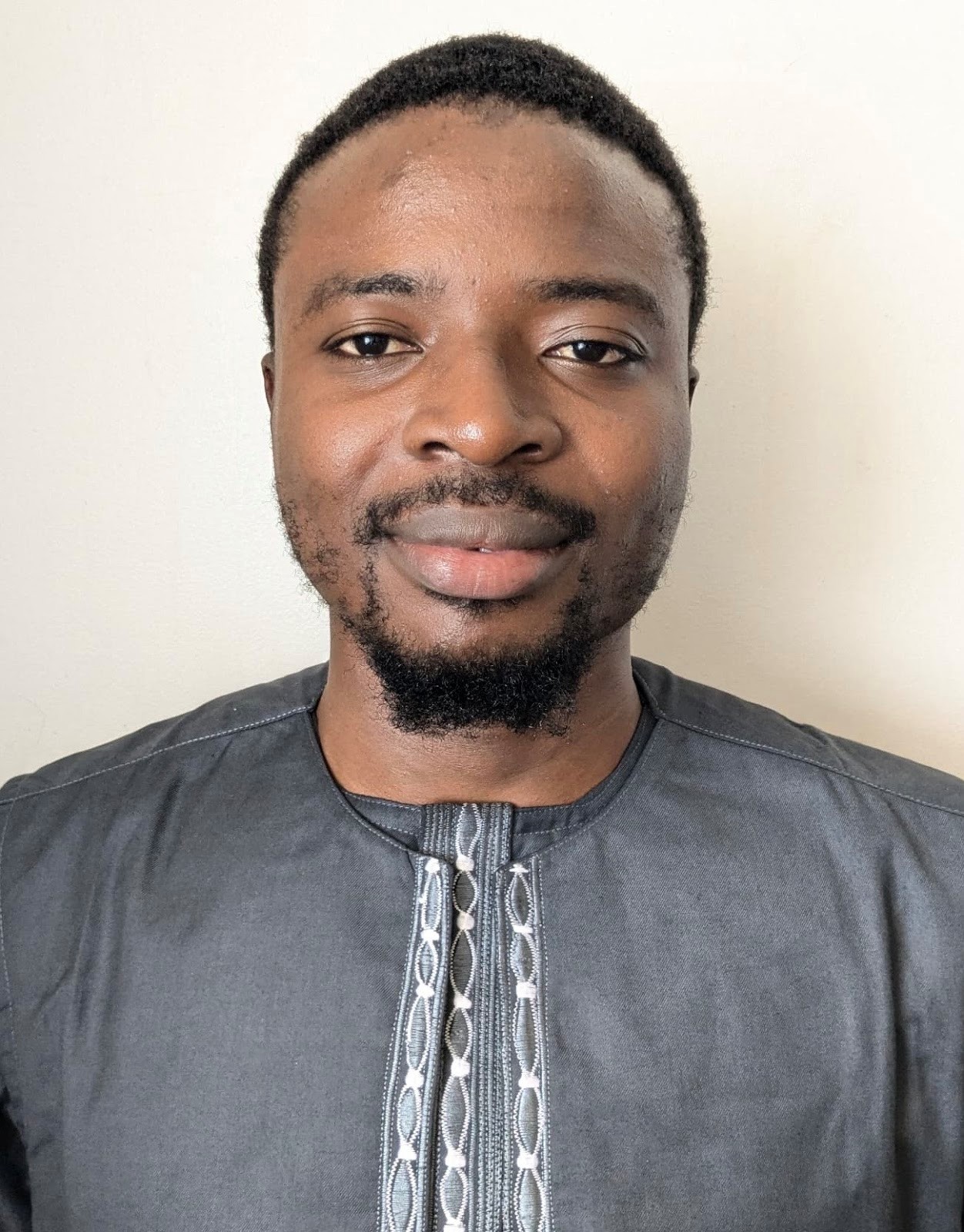
Serigne Ousmane Diaw is a Senior research technician in pathophysiology and infectious diseases at the Pasteur Institute of Dakar, Senegal.
Being part of the MESA network represents an exciting opportunity to contribute to the popularization and advancement of malaria research and initiatives across the African continent. I am deeply committed to science communication and knowledge sharing, and I look forward to reporting on key findings, events, and activities that support the fight against malaria. I am excited to get started and to actively contribute to MESA’s mission.

Timóteo Arnaldo Sambo is pursuing a PhD in Applied Mathematics and Computational Science at the Nelson Mandela African Institution of Science and Technology (Tanzania), under the MaModAfrica scholarship. His research focuses on generating model-based evidence to guide the deployment of Seasonal Malaria Chemoprevention in Mozambique.
Being a MESA Correspondent at the “Malária nos PALOP” Conference is a valuable opportunity to strengthen my scientific communication skills and engage with leading experts in the field of malaria modelling.
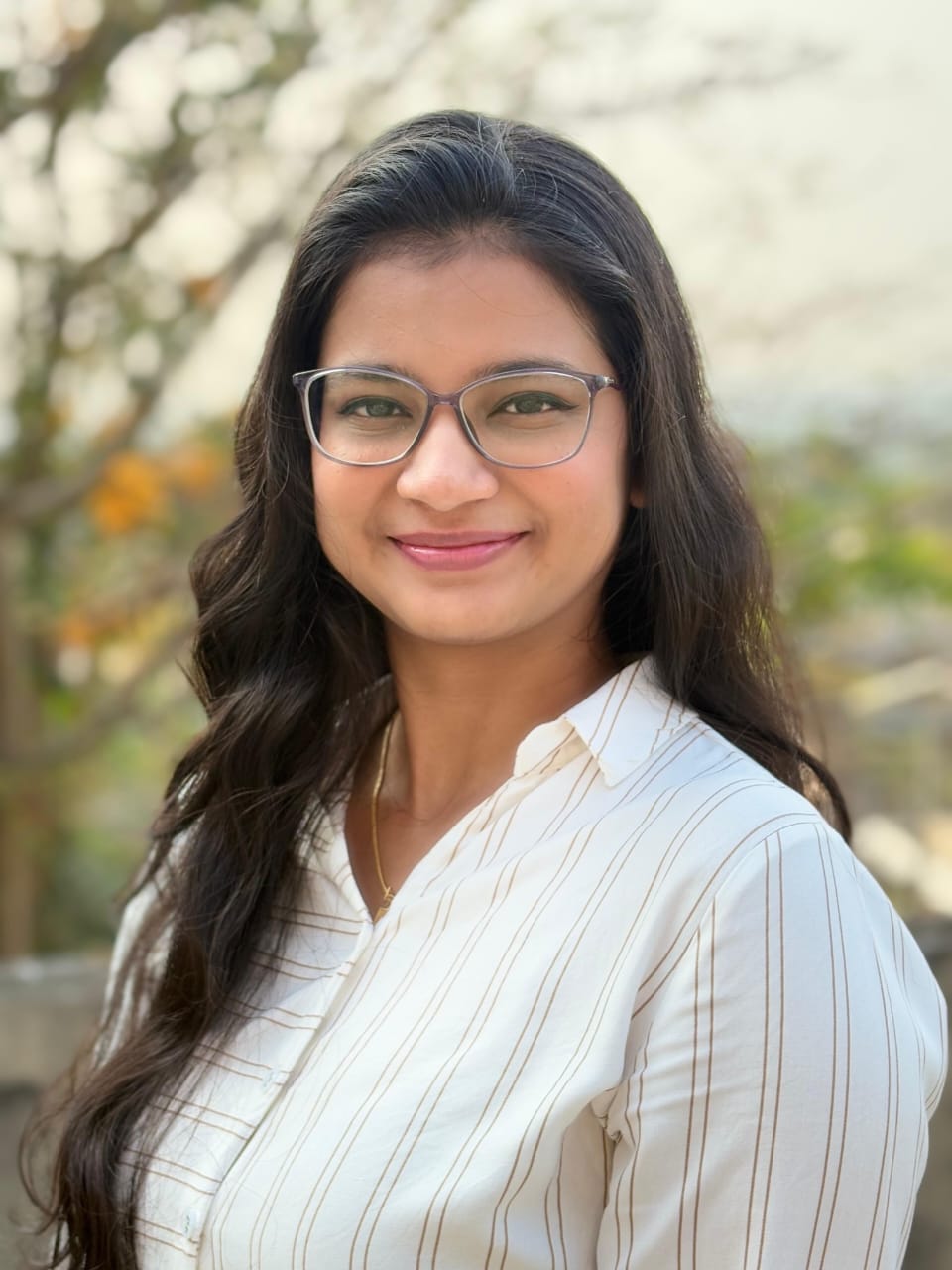
Varijakshi Gutthedhar is a PhD candidate at the Department of Biotechnology, Manipal School of Life Sciences, Manipal Academy of Higher Education, Manipal, Karnataka, India. Her research investigates human epigenetic factors influencing malaria infection and parasite factors related to transmission and drug resistance in an elimination-focused region of India.
This rare opportunity will enhance my writing, build confidence in networking, and broaden my knowledge in new areas of malaria research. Contributing to a globally recognized knowledge hub will position me as an active researcher and open doors to future opportunities.
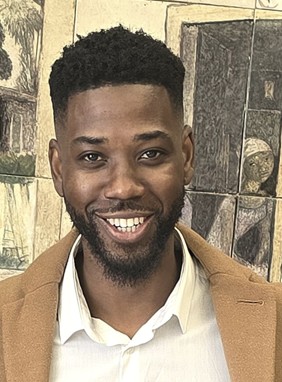 Wilson Tavares is a final-year PhD candidate at the Institute of Hygiene and Tropical Medicine (IHMT), in collaboration with the Institute for Genome Sciences at the University of Maryland, Baltimore (UMB) in the United States. His research focuses on Plasmodium falciparum, the primary causative agent of human malaria in sub-Saharan Africa. Using next-generation sequencing technologies and bioinformatics, he aims to generate whole-genome sequences to characterize parasite genetic diversity, population structure, and migration patterns in Angola and neighboring countries, which could possibly support interventions by the Angolan National Malaria Control Program.”Becoming a MESA correspondent at the Malaria in the Portuguese-speaking African countries (PALOP) is an important step for me, as it aligns with my commitment to research and science communication in the region. With a background in genomics and epidemiology, I can translate complex findings into accessible content. This role will help amplify key insights from the conference and promote regional efforts in the fight against malaria.