
Last Updated: 24/03/2025
Characterization of CSS protein with vaccine target in Plasmodium sporozoites
Objectives
*Original title in Portuguese: Caracterização da proteína CSS com alvo vacinal em esporozoítos de Plasmodium
The project focuses on the characterization of the CSS protein in Plasmodium sporozoites, highlighting its essential role in hepatocyte invasion and potential as a malaria vaccine target.
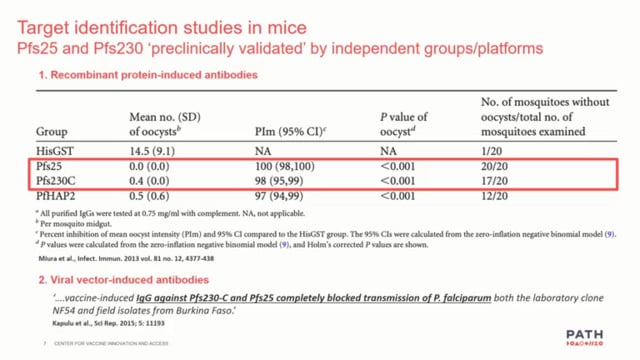
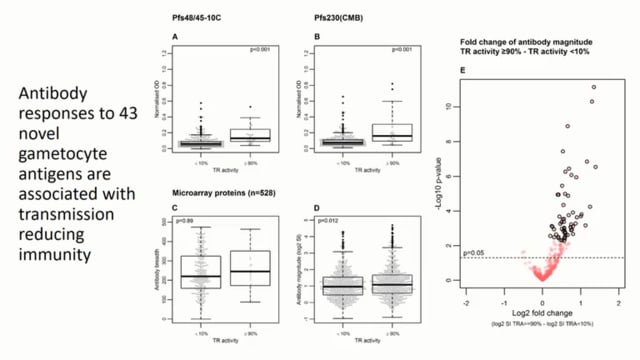
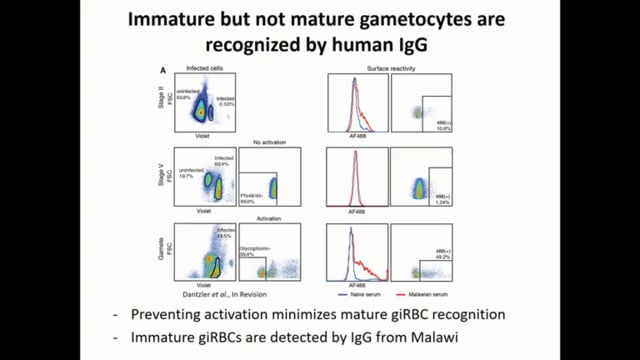
Invasion of host cells by Plasmodium zoites is a complex process involving multiple proteins and protein complexes that are targets for malaria vaccine development. In P. falciparum, a complex (PCRCR) composed of P. falciparum thrombospondin-related apical merozoite protein (PTRAMP), small cysteine-rich secreted protein (PfCSS), PfRh5-interacting protein (PfRipr), cysteine-rich protective antigen (CyRPA), and reticulocyte binding protein homolog 5 (PfRh5), is essential for merozoite invasion into erythrocytes. In P. knowlesi and other non-laverania Plasmodium, CyRPA and Rh5 are not conserved, and a trimeric complex (PCR) composed of PkPTRAMP, PkCSS, and PkRipr has been identified as essential for merozoite invasion. PbRipr pull-down of P. berghei merozoite extracts identified PbPTRAMP and PbCSS, showing that the complex is also present in P. berghei merozoites. The P. berghei mouse malaria model was recently used to study the role of PbCSS in invasive stages and as a potential vaccine antigen. Unsuccessful attempts to knockout PbCSS indicated that it is essential for merozoite invasion and suggest that CRP is indeed a core invasion complex present in Plasmodium merozoites. However, vaccination of mice with PbCSS-based recombinant proteins or mRNA did not protect mice against challenge with P. berghei blood stages. Similarly, antibodies raised against P. vivax CSS showed only modest inhibition of P. vivax invasion of reticulocytes in vitro. In P. berghei sporozoites, PbPTRAMP and PbCSS are expressed, but PbRipr is absent, suggesting that the CRP complex is not formed and raising the question of whether sporozoites use these proteins for invasion. CSS expression was confirmed in P. beghei and P. vivax sporozoites. To study CSS function at pre-erythrocytic stages, the diCre rapamycin-dependent recombinase system is being used to conditionally knock out (cKO) PbCSS in sporozoites. Preliminary experiments have shown that although PbCSS-cKO sporozoites exhibit normal invasion and gliding of the mosquito salivary gland, they are deficient in hepatocyte invasion and infection of mice. Mice vaccinated with PbCSS-based mRNA and challenged with sporozoites were partially protected, as evidenced by a one-day delay in overt parasitemia. Data suggest that PbCSS may be a common component of different invasion complexes in merozoites and sporozoites, and is a promising target for the development of vaccines that interrupt multiple stages of the parasite life cycle. The postdoctoral fellow’s work plan will involve the generation of PbCSS- and PvCSS-based vaccines using different strategies (lentivirus, mRNA, adenovirus) to vaccinate mice. The work will also involve further investigation of the role of CSS in sporozoites through invasion experiments as well as cell-traversal. Using molecular markers, the aim is also to localize CSS in sporozoites and probably in sexual stages, since in silico data suggest the presence of CSS in gametocytes. Expected results: The hope is to describe a new protein important for sporozoite invasion into hepatocytes and a target for vaccines, which can also be a target for transmission-blocking antibodies.
Nov 2024 — Oct 2026
Related Resources